Lorem ipsum dolor sit amet, consectetur adipiscing elit. Ut elit tellus, luctus nec ullamcorper mattis, pulvinar dapibus leo.
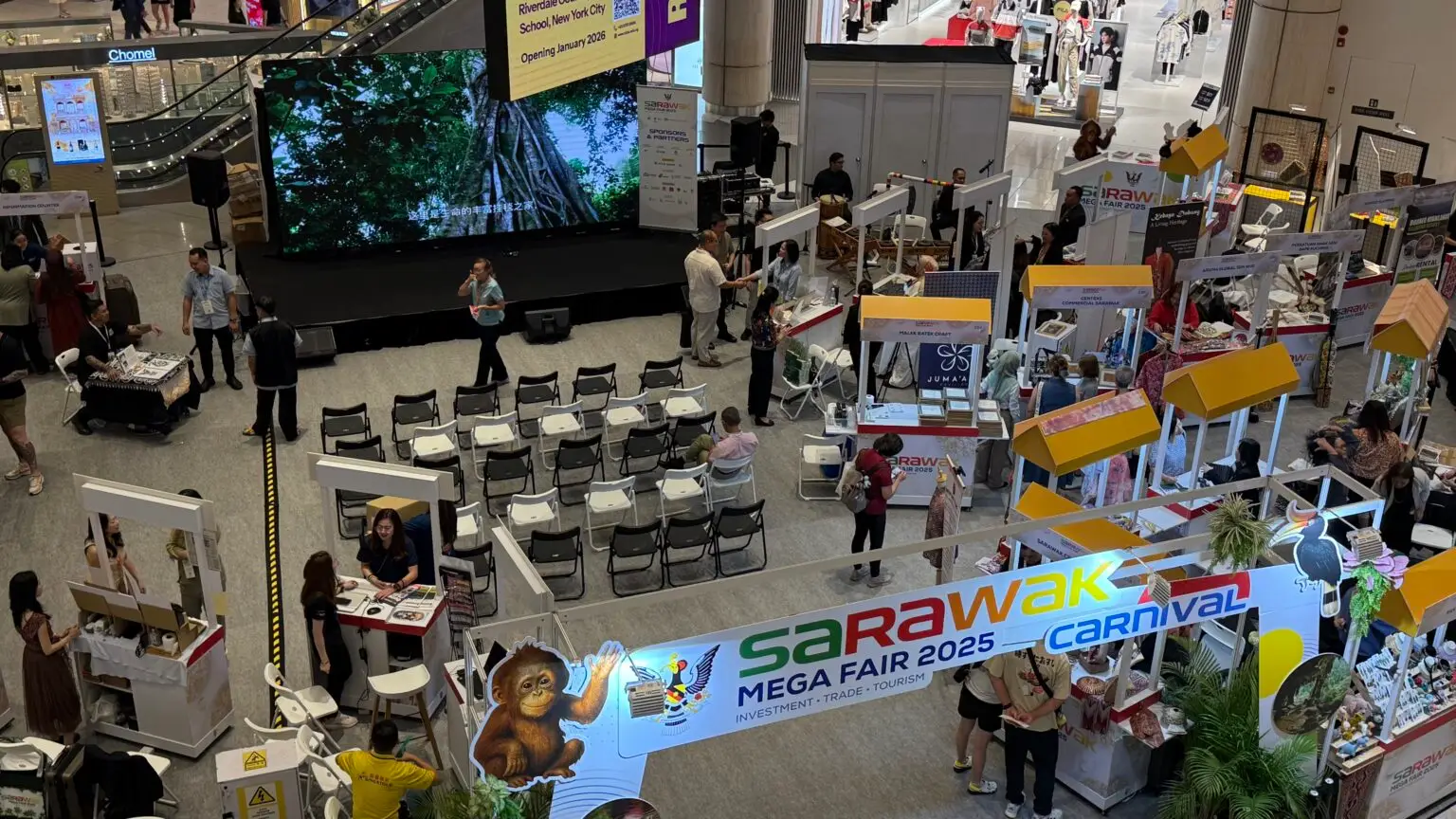
The Sarawak Trade Show at Suntec Singapore Convention Centre looked wonderfully composed from the outside: LED walls behaving themselves, touchscreens responding politely, kiosks doing their bit to shepherd visitors along.
What the public didn’t see was the rather larger operation taking place across three separate locations:
the main tradeshow floor in the Convention Centre, plus the atrium event spaces in Tower 3 and Tower 4.
Three venues, three programmes, all running at once.
A modest undertaking on paper; a small marathon in reality.
The Tradeshow: The Centrepiece
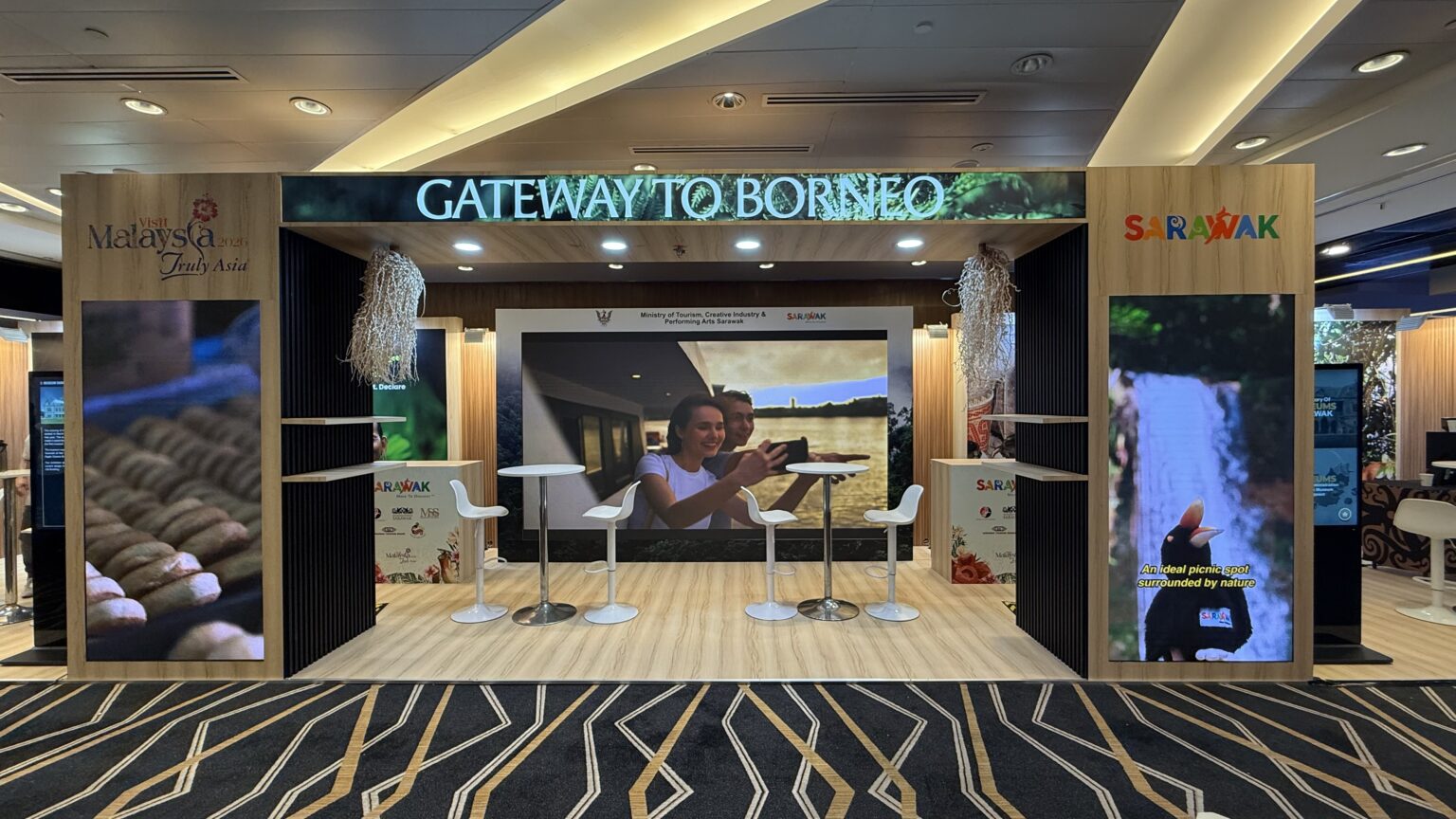
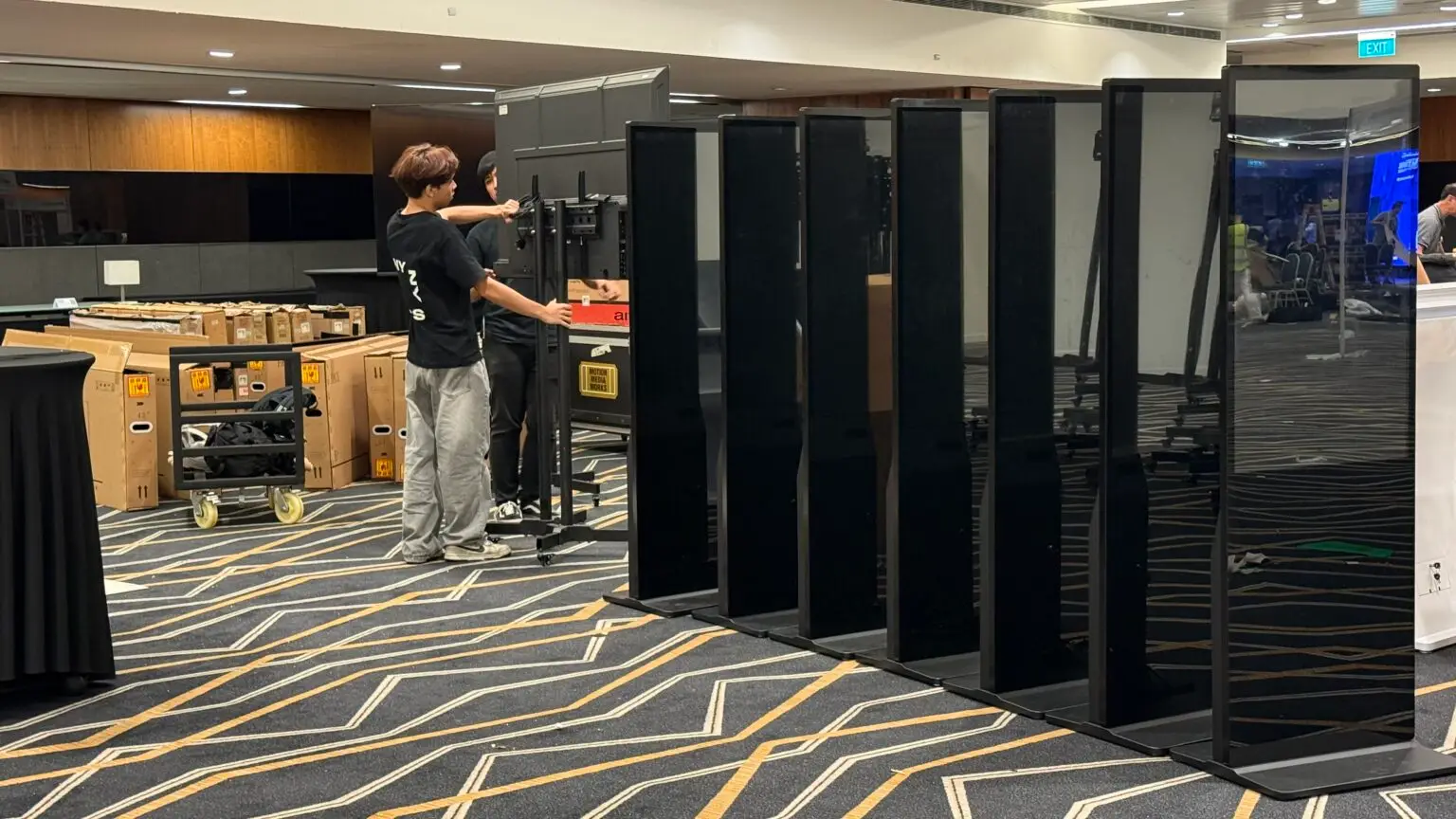
The main floor carried the full suite:
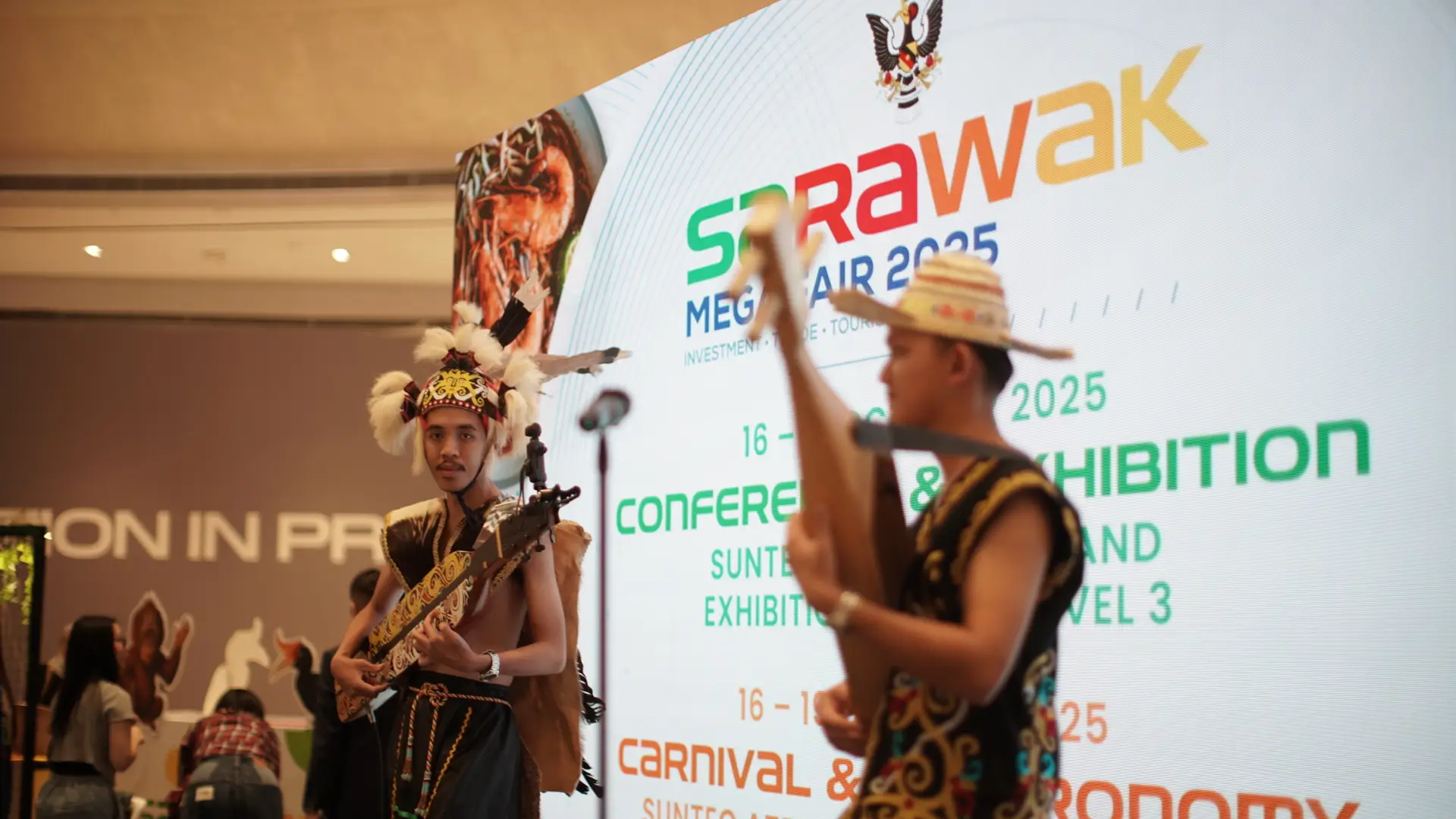
A large LED wall as the visual anchor
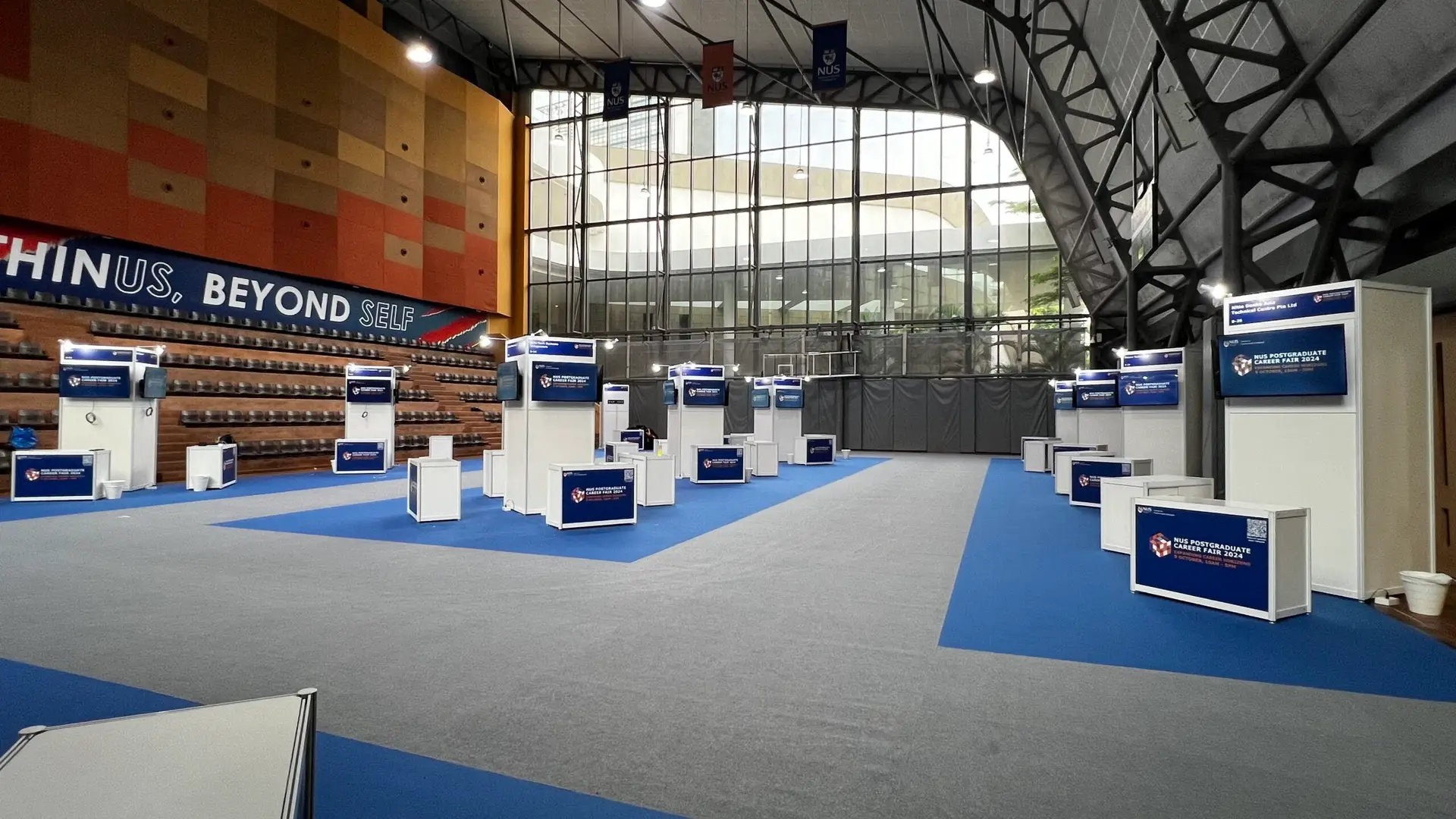
TVs dotted around partner booths
A wall-mounted touchscreen for presentations
A vertical touchscreen for tall-format content
Interactive kiosks that behaved admirably despite the crowds
It was, effectively, a miniature media ecosystem with its own tempo and its own stream of “just a quick update” requests—all of which were handled quickly, quietly, and without drama.
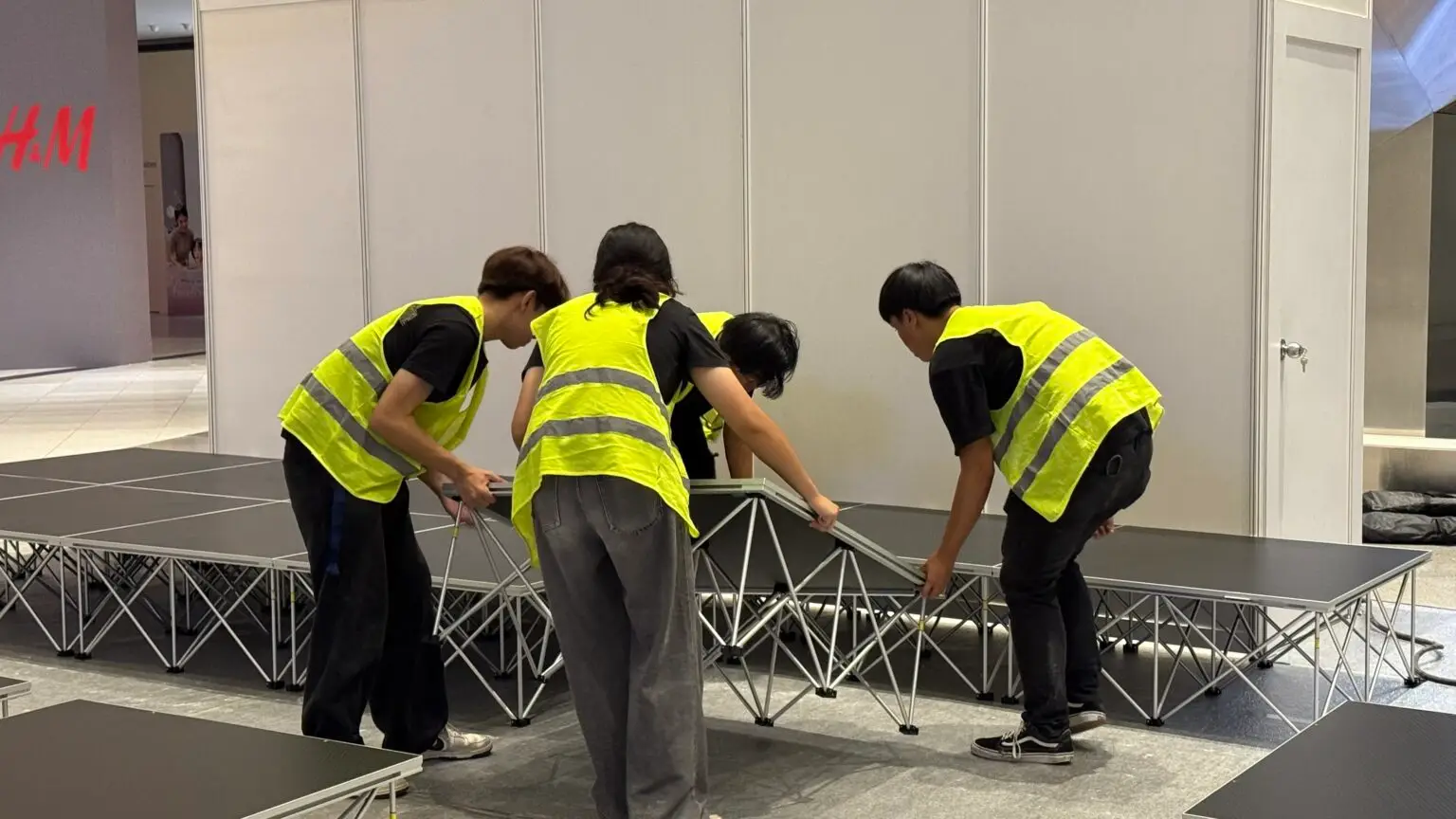
The Atriums in Tower 3 and Tower 4: A Parallel Universe Each
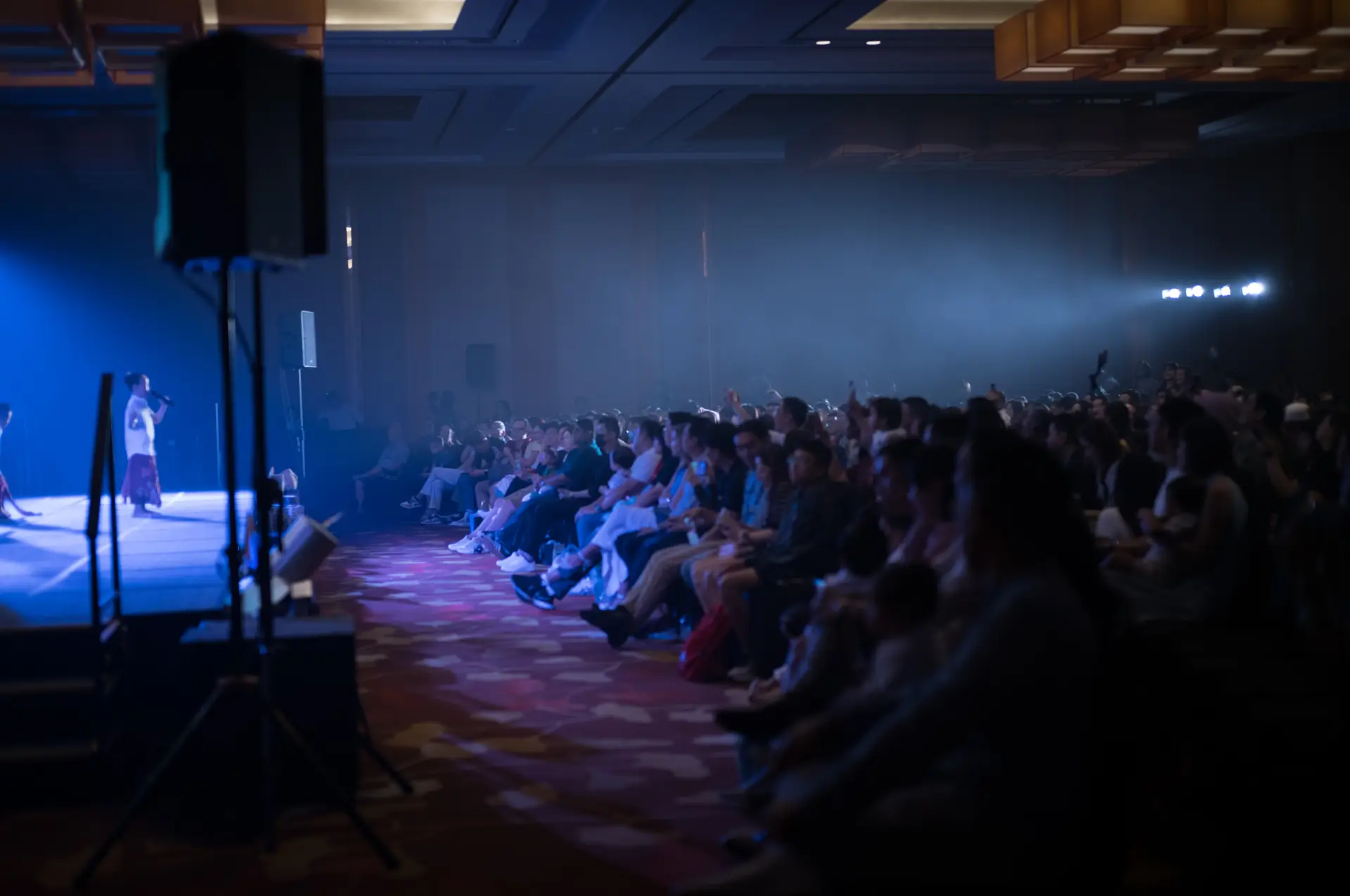
Over in Tower 3 and Tower 4, two more live environments unfolded: each with its own LED wall, full sound system, and stage programme.
People often assume these areas are supplementary. They are not.
Each atrium acts as its own event, with its own audience, pressure points, and the occasional timing surprise.
Our crew were stationed across all three sites—sometimes appearing to warp through Suntec’s back corridors with suspicious efficiency. If you’ve ever seen someone carrying a tool case and walking with purpose, that was probably us.
Why One AV Partner Matters (Especially When the Venues Are in Different Towers)
1. Problems Are Solved Before Anyone Notices There Was One
A touchscreen needing a nudge, a microphone wanting attention, a presenter insisting their video “was working perfectly last night”—all resolved swiftly, as we already had technicians embedded at each area.
When the same team oversees everything, there’s no passing the buck or waiting for the “other vendor” to appear.
It simply gets done.
2. Backups Are Only Useful If They’re Within Reach
We placed spare LED modules, power supplies, processors, and media players across the three zones.
Not in a distant storeroom, but actually there.
If something needed swapping, it happened immediately—not after a committee meeting.
3. One Point of Contact Saves Everyone’s Sanity
Event organisers had a single project lead who understood the entire landscape: the tradeshow, both atriums, and the daily schedule that linked them.
It meant fewer crossed wires, fewer WhatsApp groups, and no mystery about which team handled what.
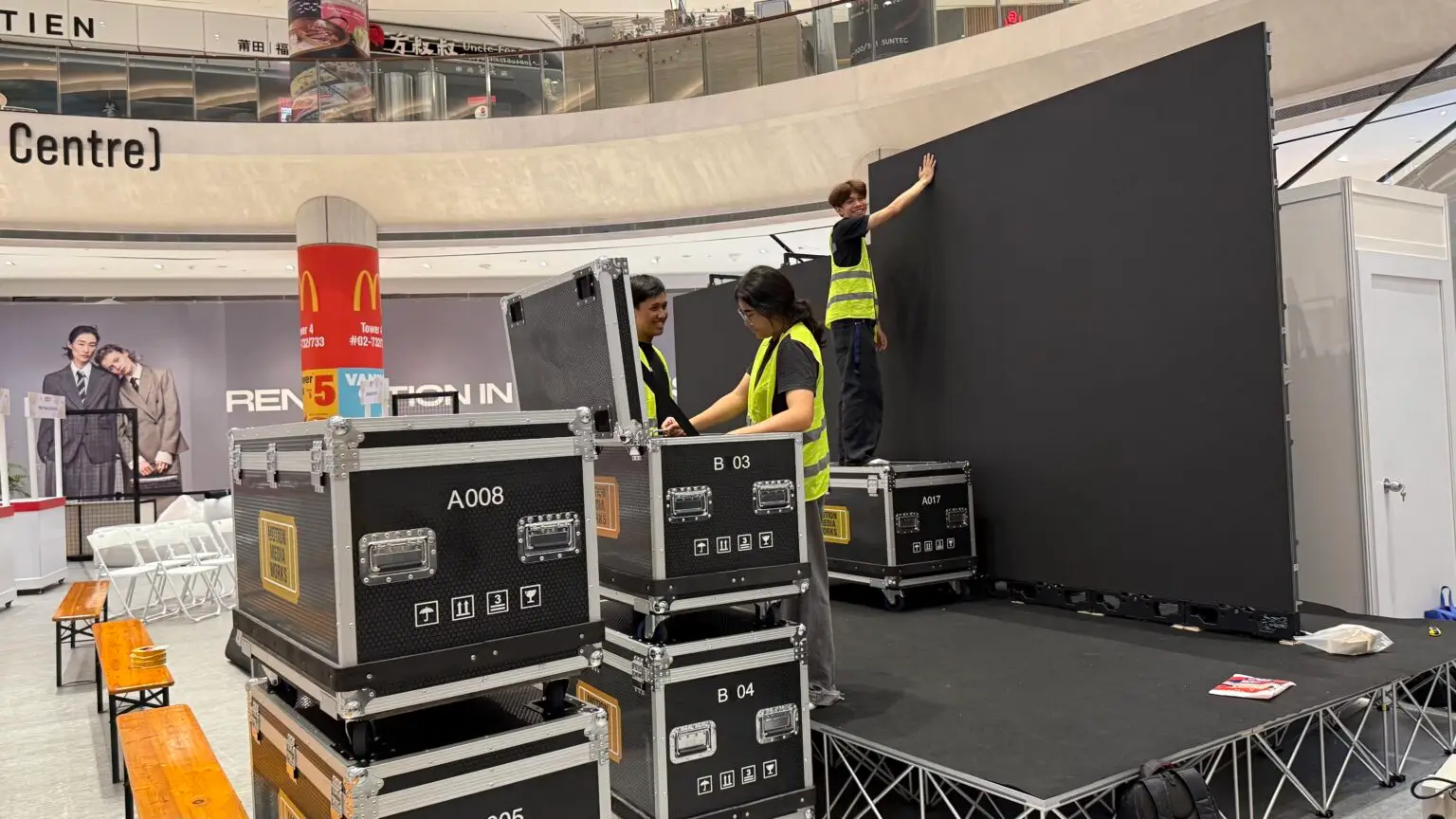
Behind the Curtain
There is always a quieter side to these events—pre-dawn checks, content that arrives “five minutes before going live,” recalibrations, and the very British sport of pretending everything is perfectly normal while working at high speed.
Our crew covered:
LED calibration before opening
Stage resets between speakers
Real-time content updates
On-the-spot troubleshooting for kiosks and touchscreens
Monitoring all three LED systems throughout the day
If the visitors never realised any of this was happening, that’s rather the point.
The Outcome
Three venues.
Three days.
Thousands of visitors.
Dozens of screens, processors, microphones, and cables.
No drama, no downtime.
Everything ran with the sort of quiet reliability that lets organisers get on with their day and leaves the technology exactly where it should be: out of the spotlight.
Planning something similarly sprawling at Suntec—or anywhere else?
If you’d like an AV partner who can keep multiple venues ticking over without the faintest hint of chaos, we’d be glad to help.