(A Lighting Story at Marina Bay Sands)
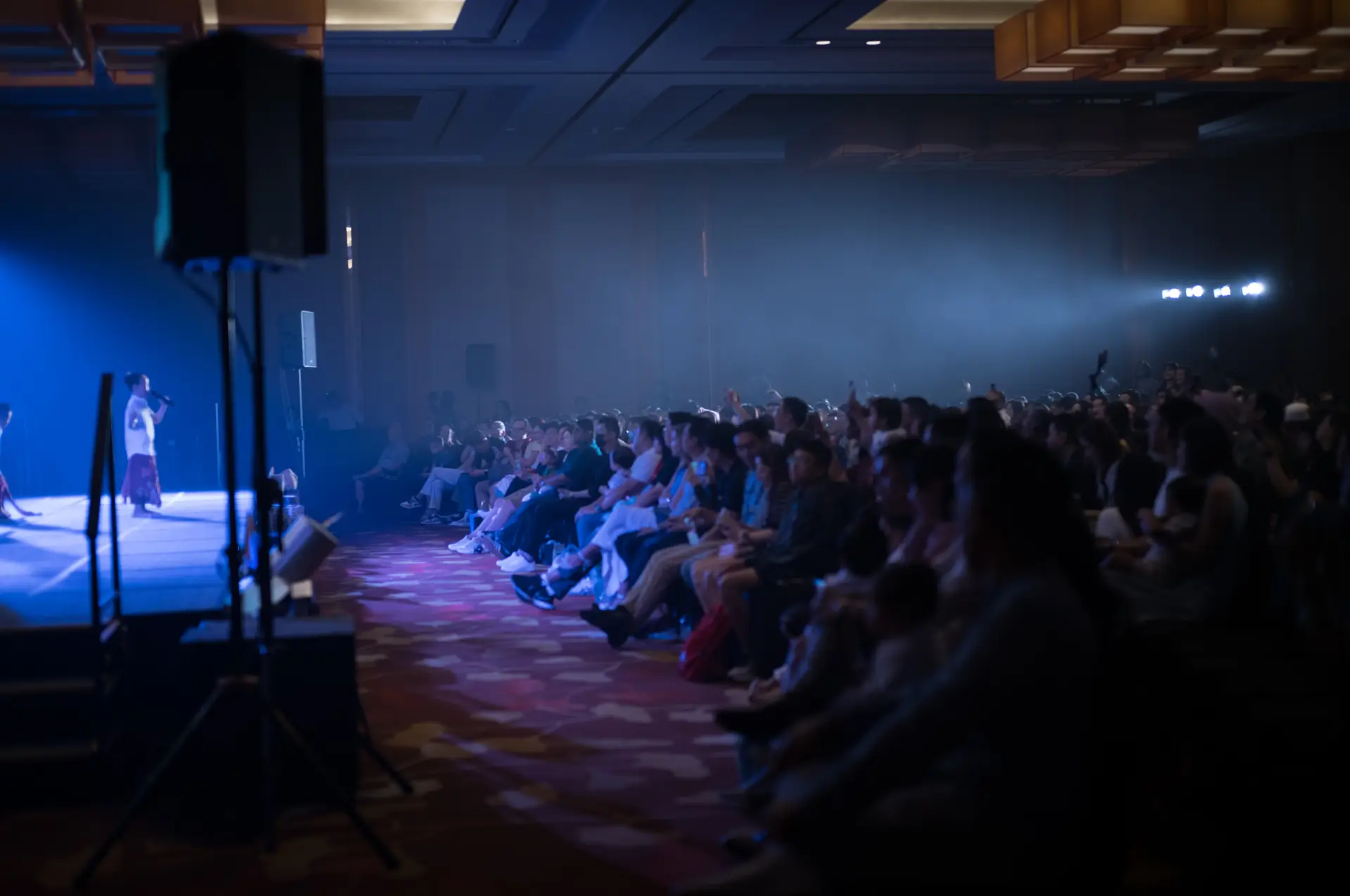
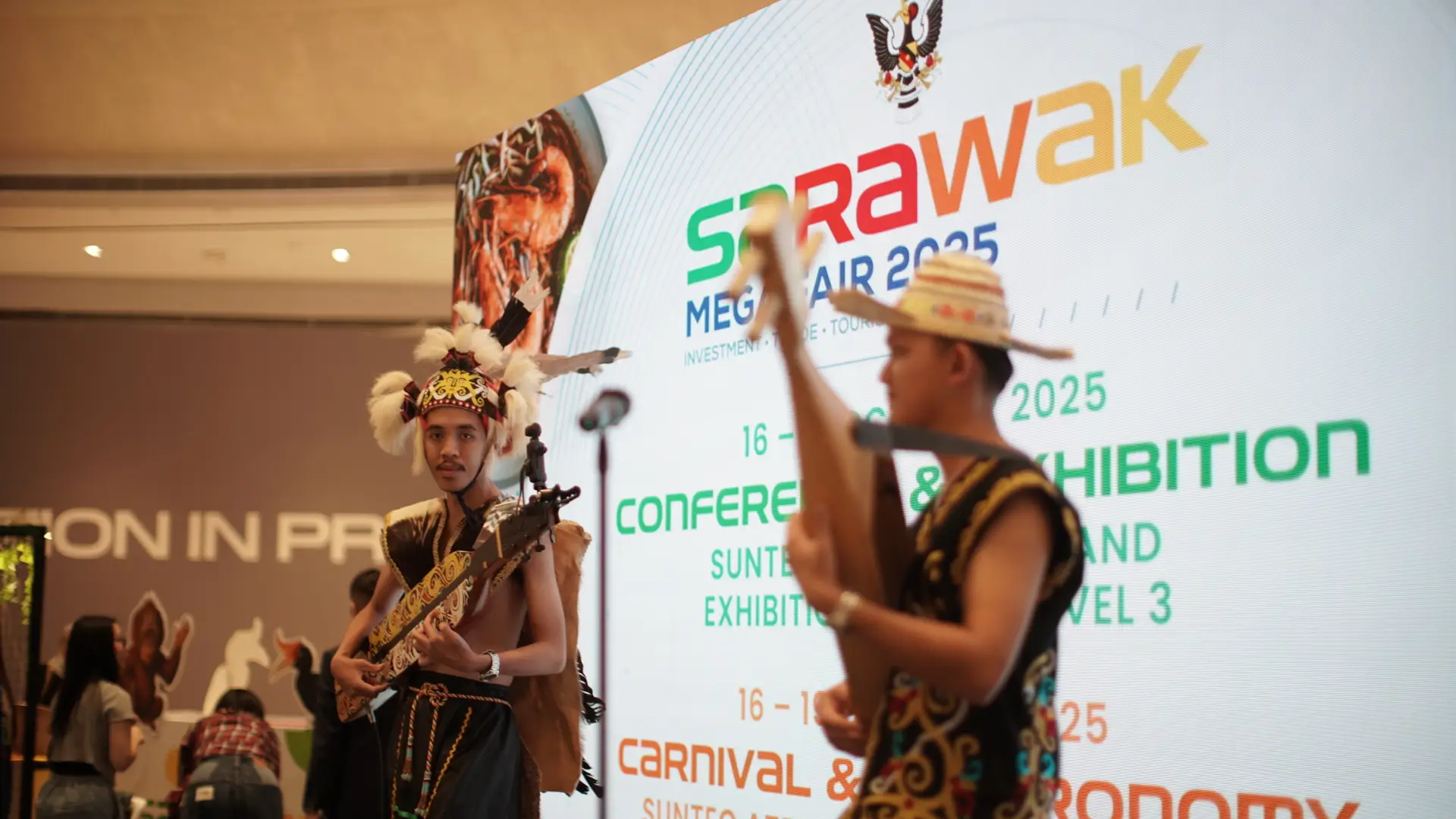
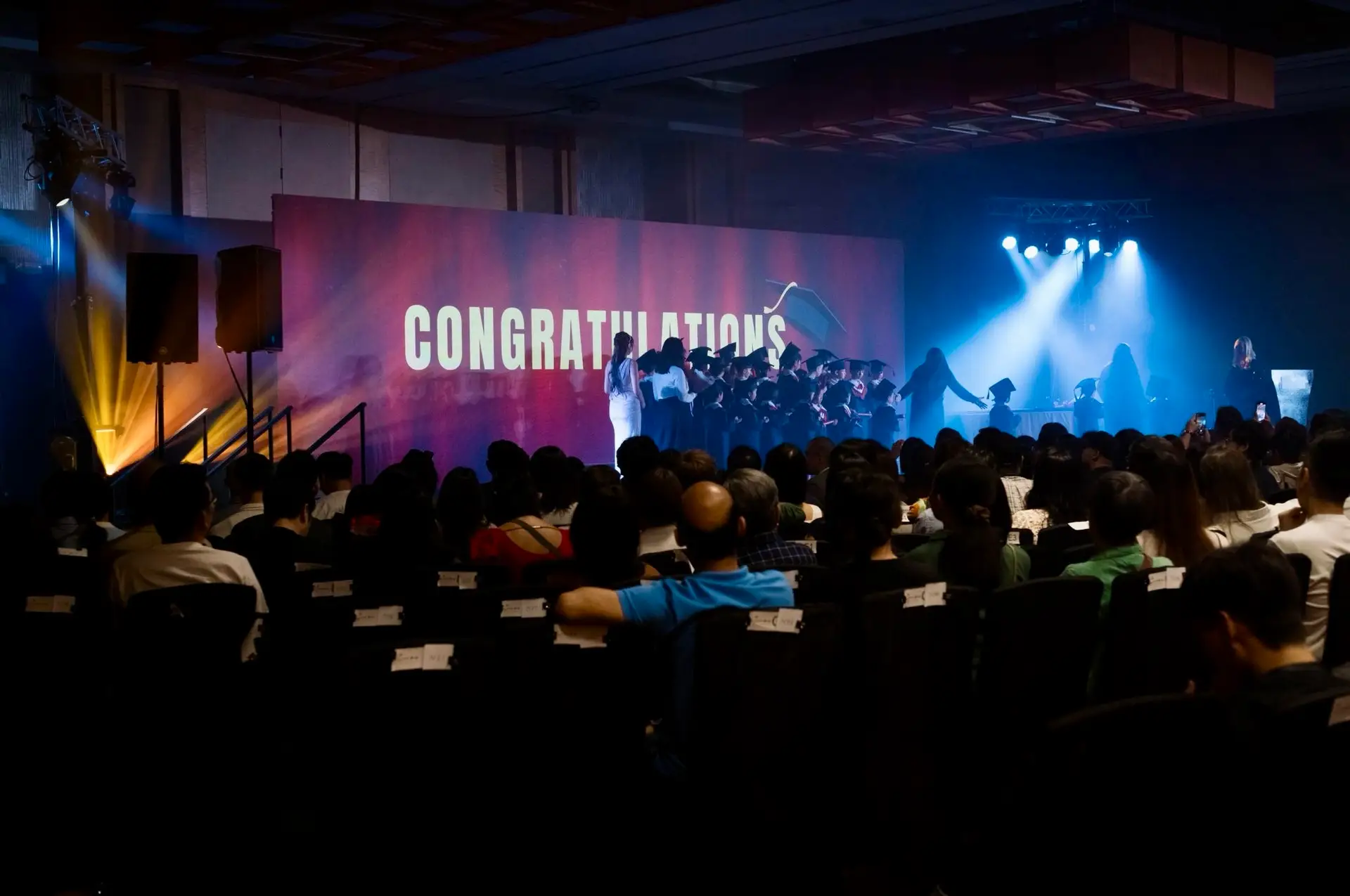
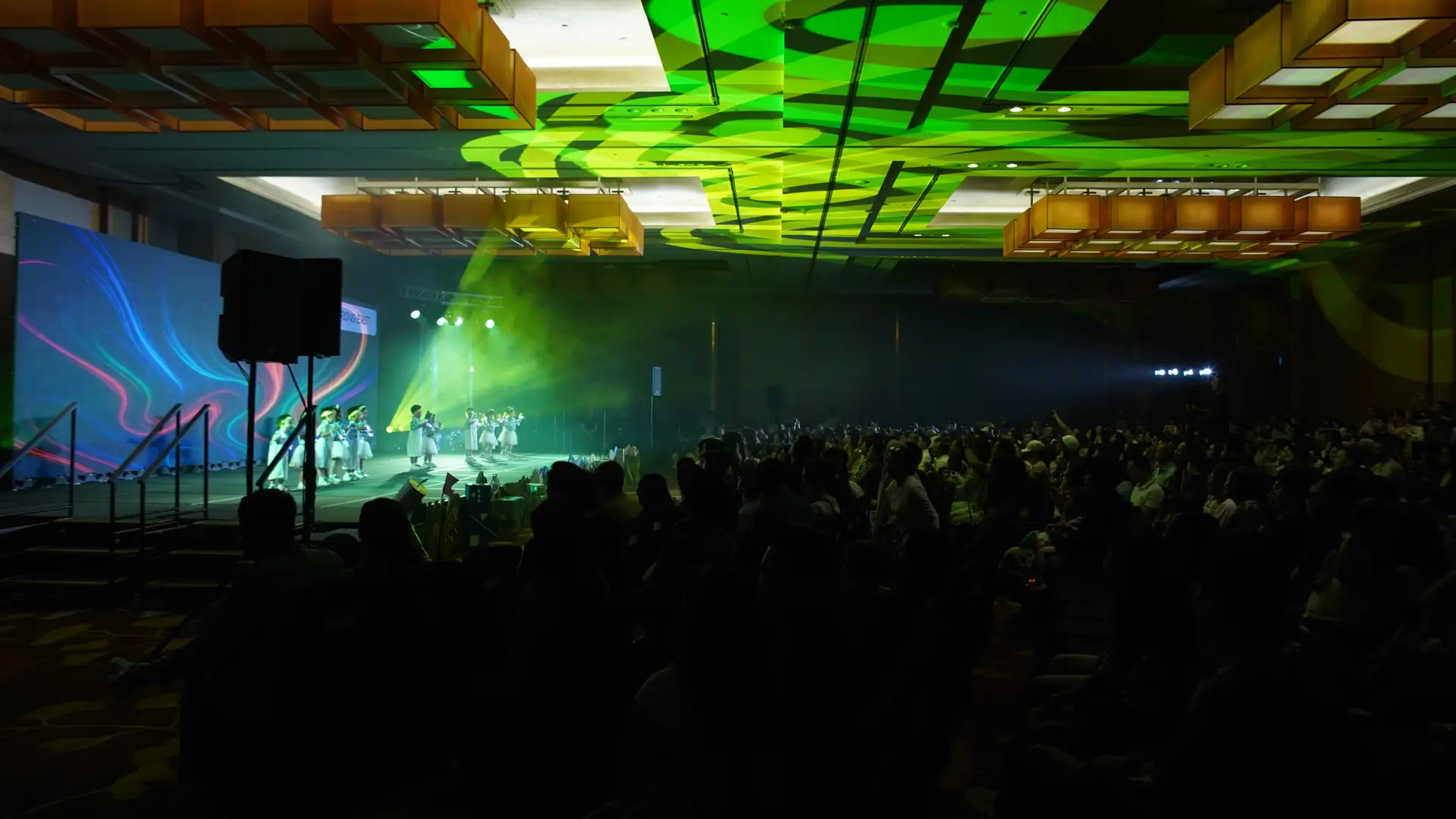
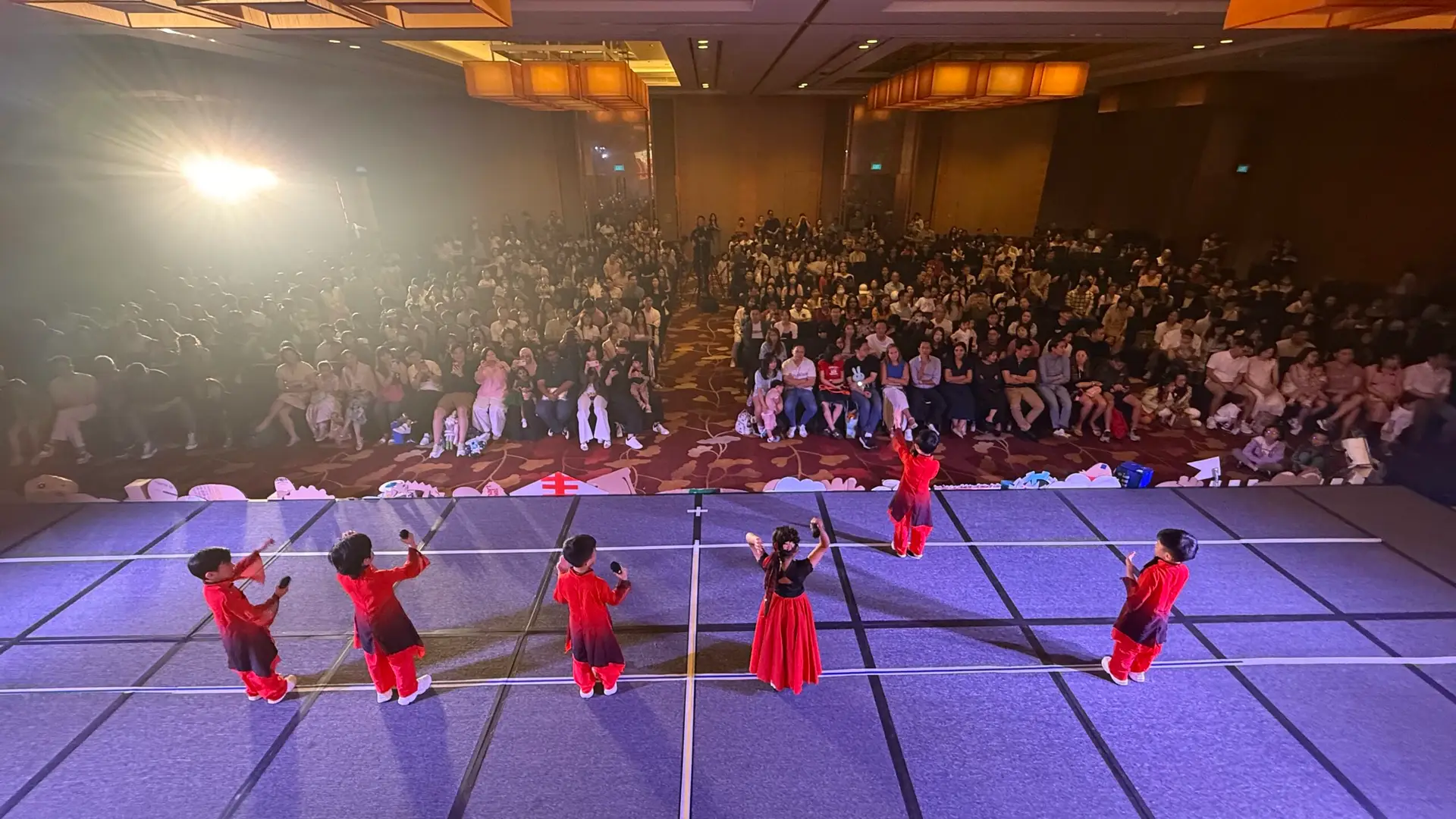
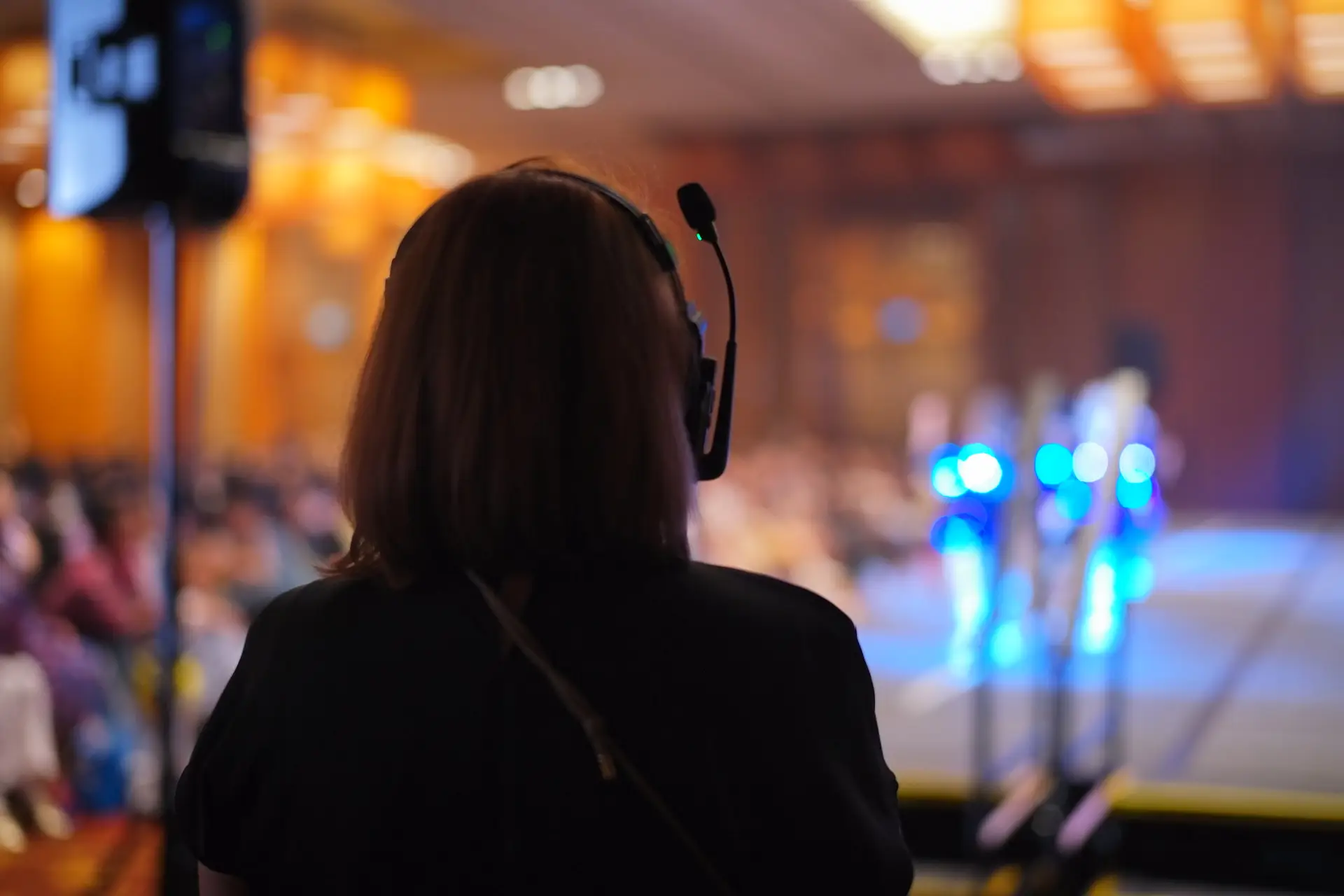
The moment the audience walked in, the room didn’t behave like a ballroom anymore.
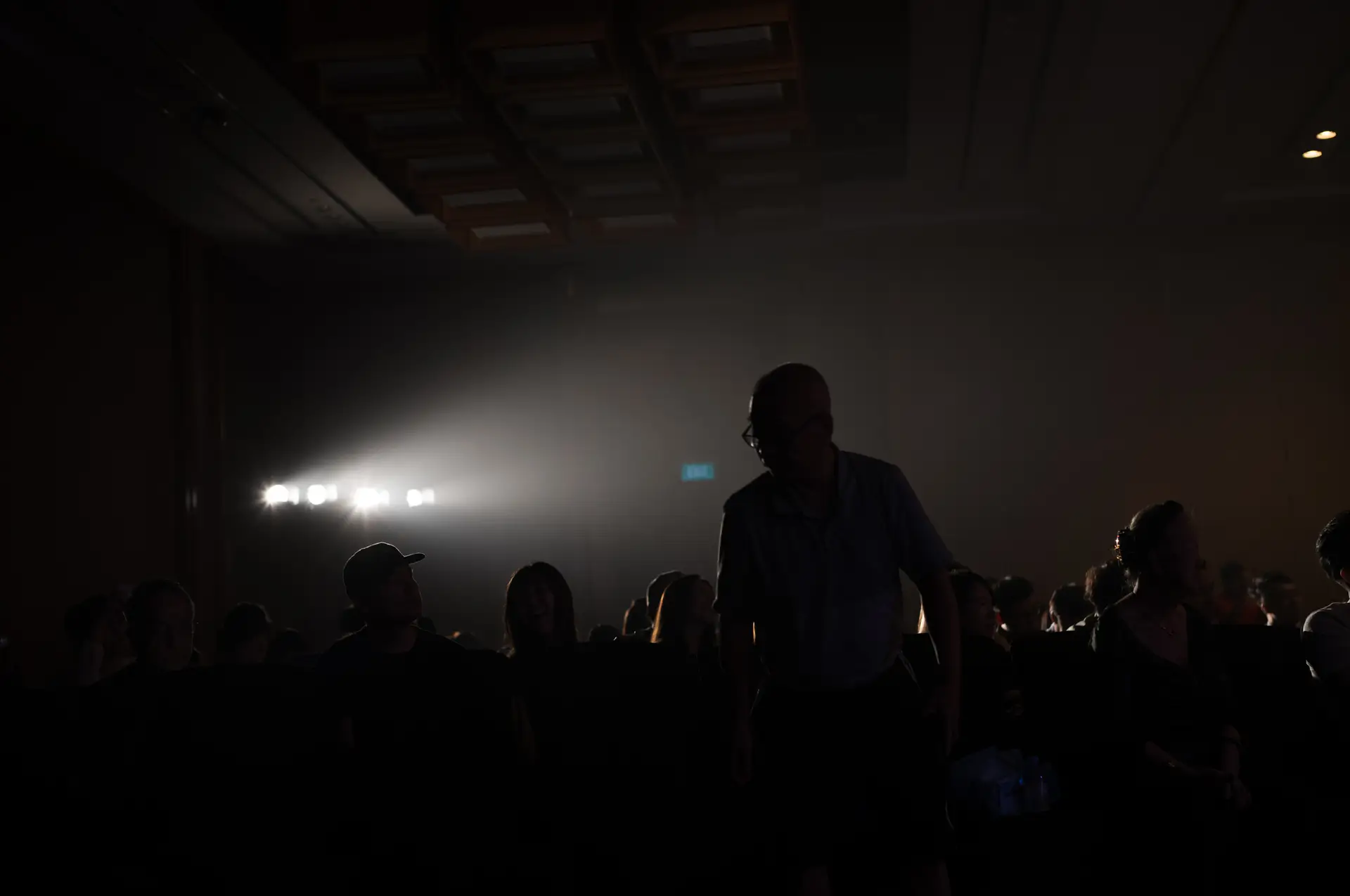
The ceiling glowed, the haze caught the beams just right, and the stage felt like it belonged to a completely different world. The lighting didn’t shout — it guided. It shaped. It set a tone. You could see people look up before they even found their seats.
For a second, the entire space felt like it was holding its breath.
That’s the moment we chase.
Now let me show you what it took to get there.
How We Built This Look
Nothing this effortless is actually effortless.
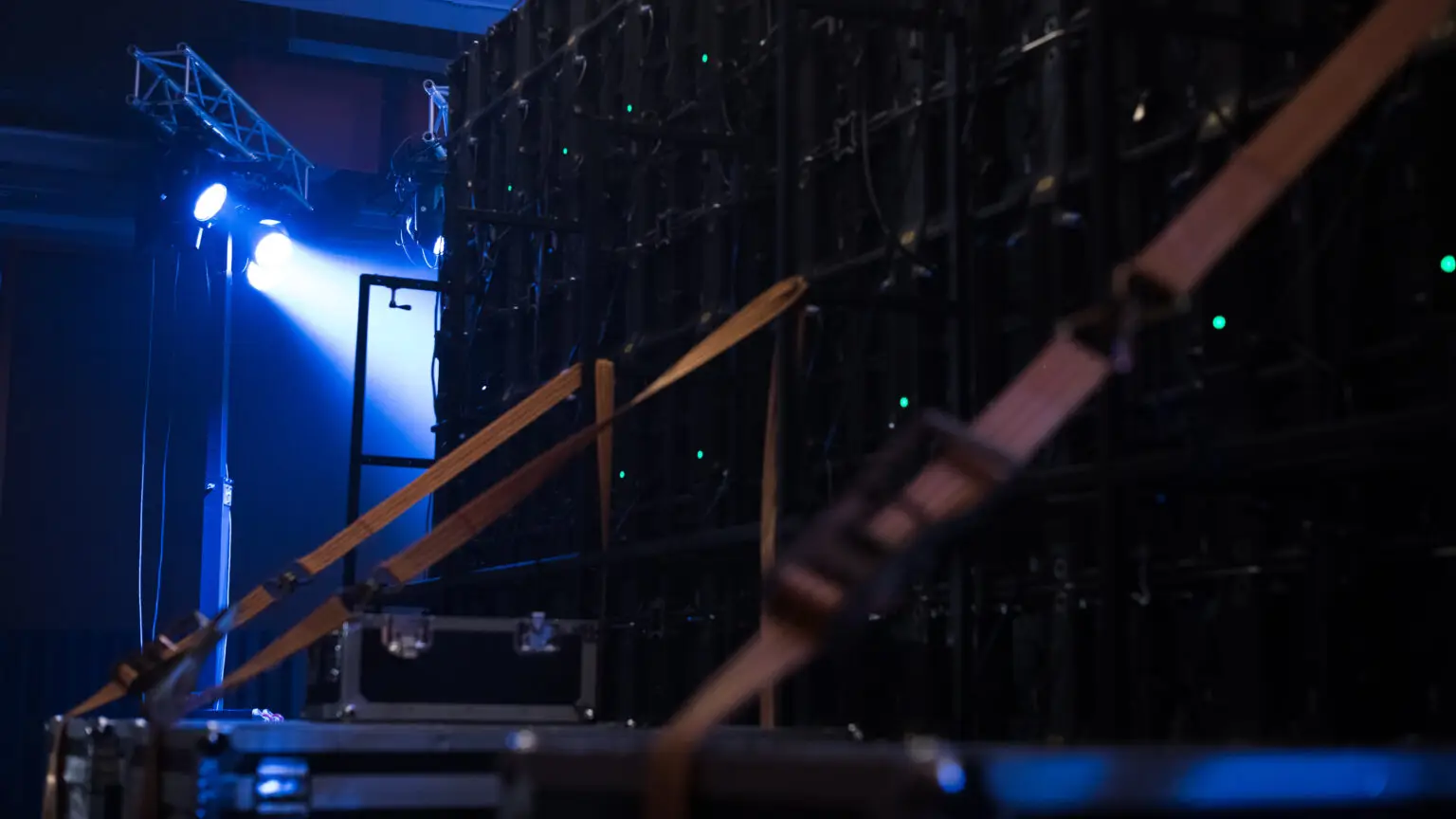
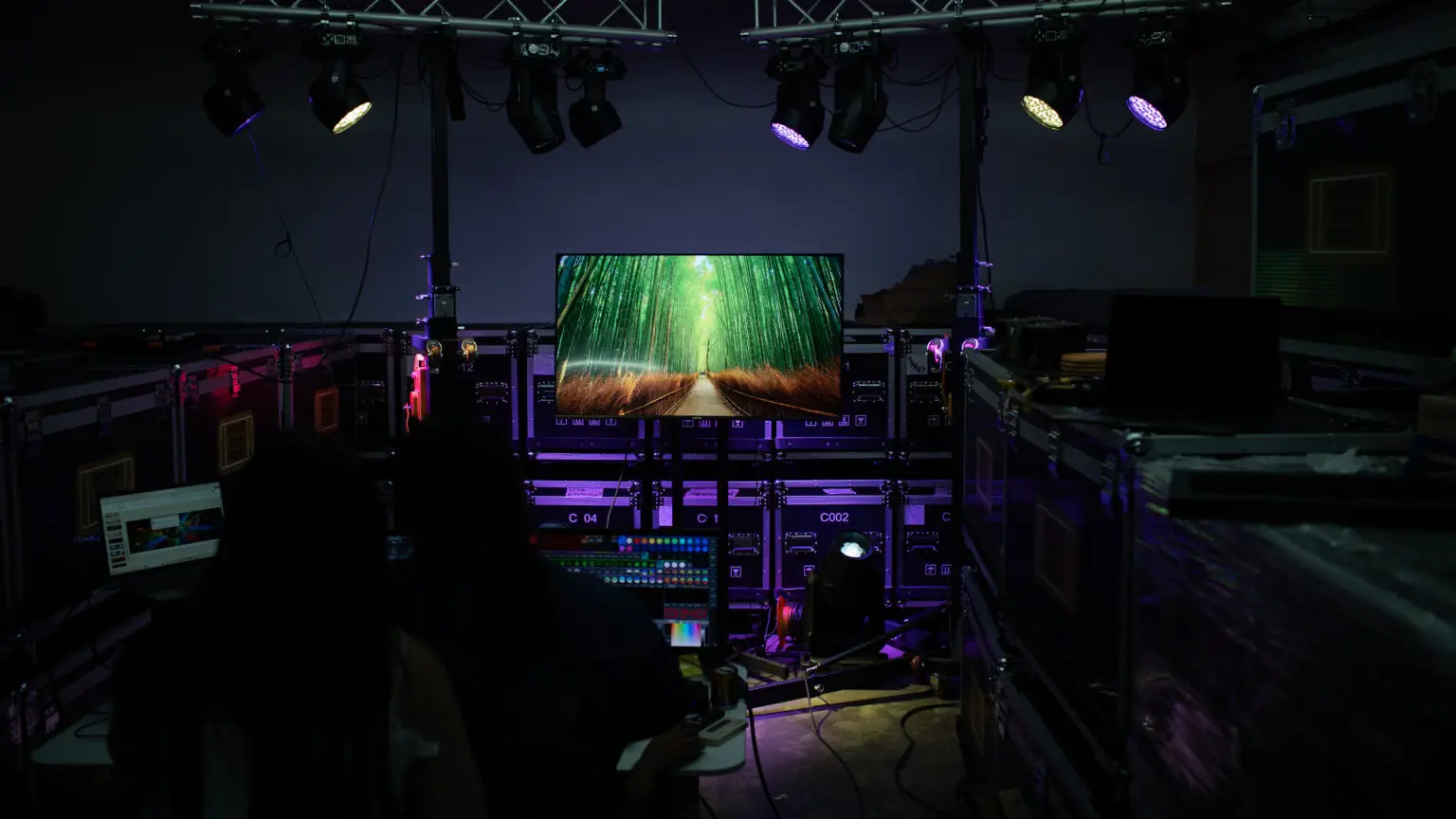
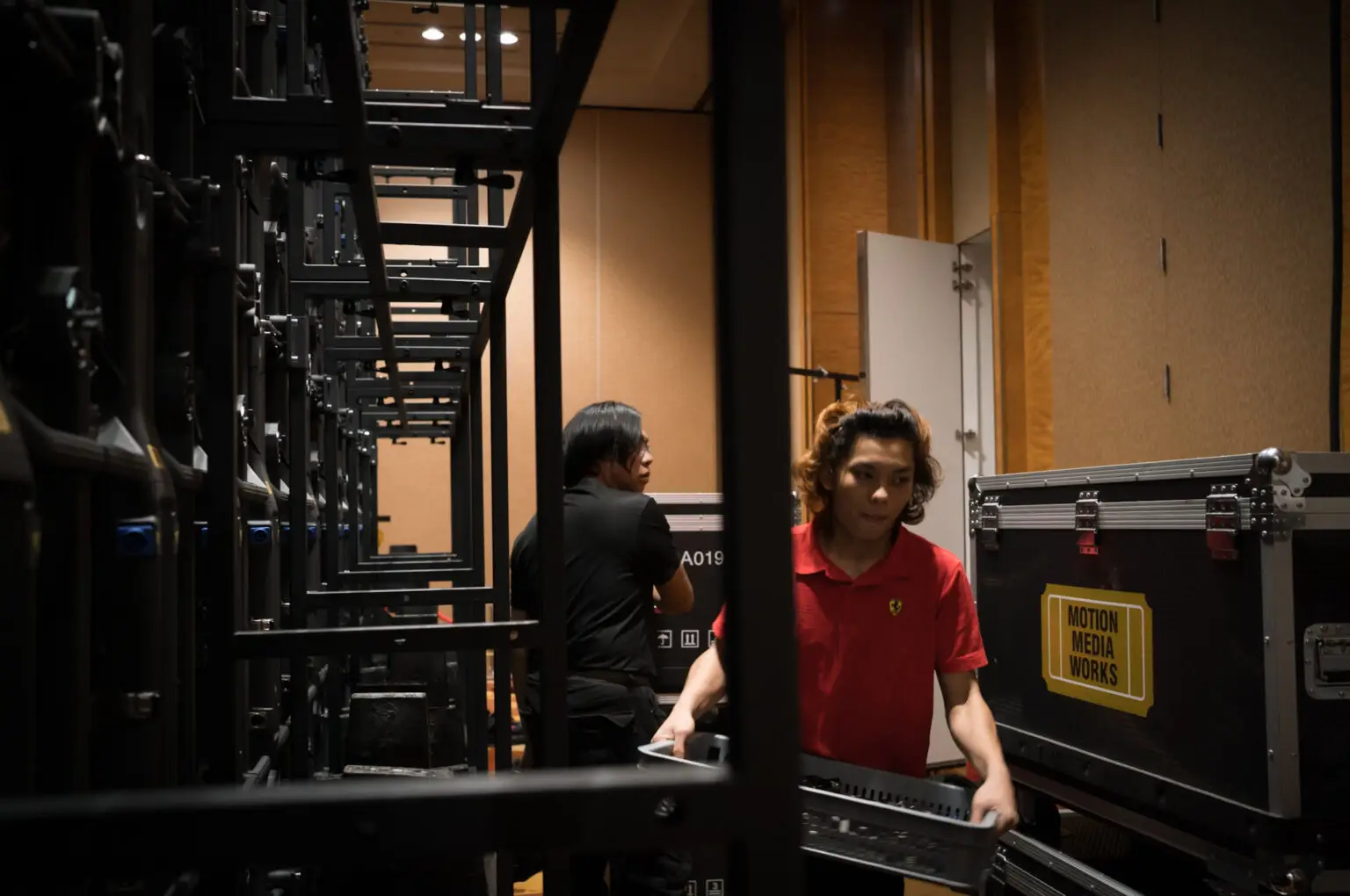
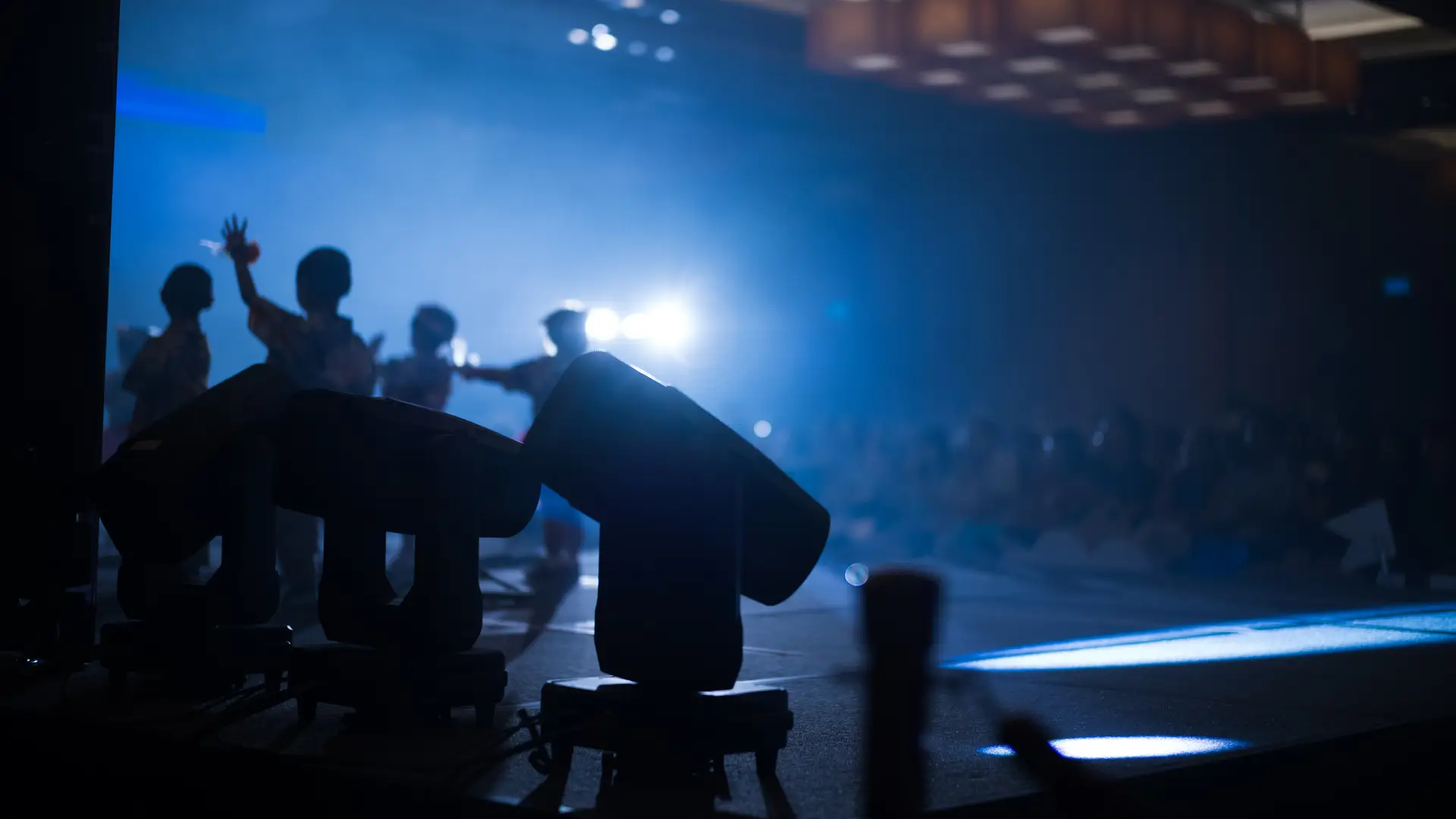
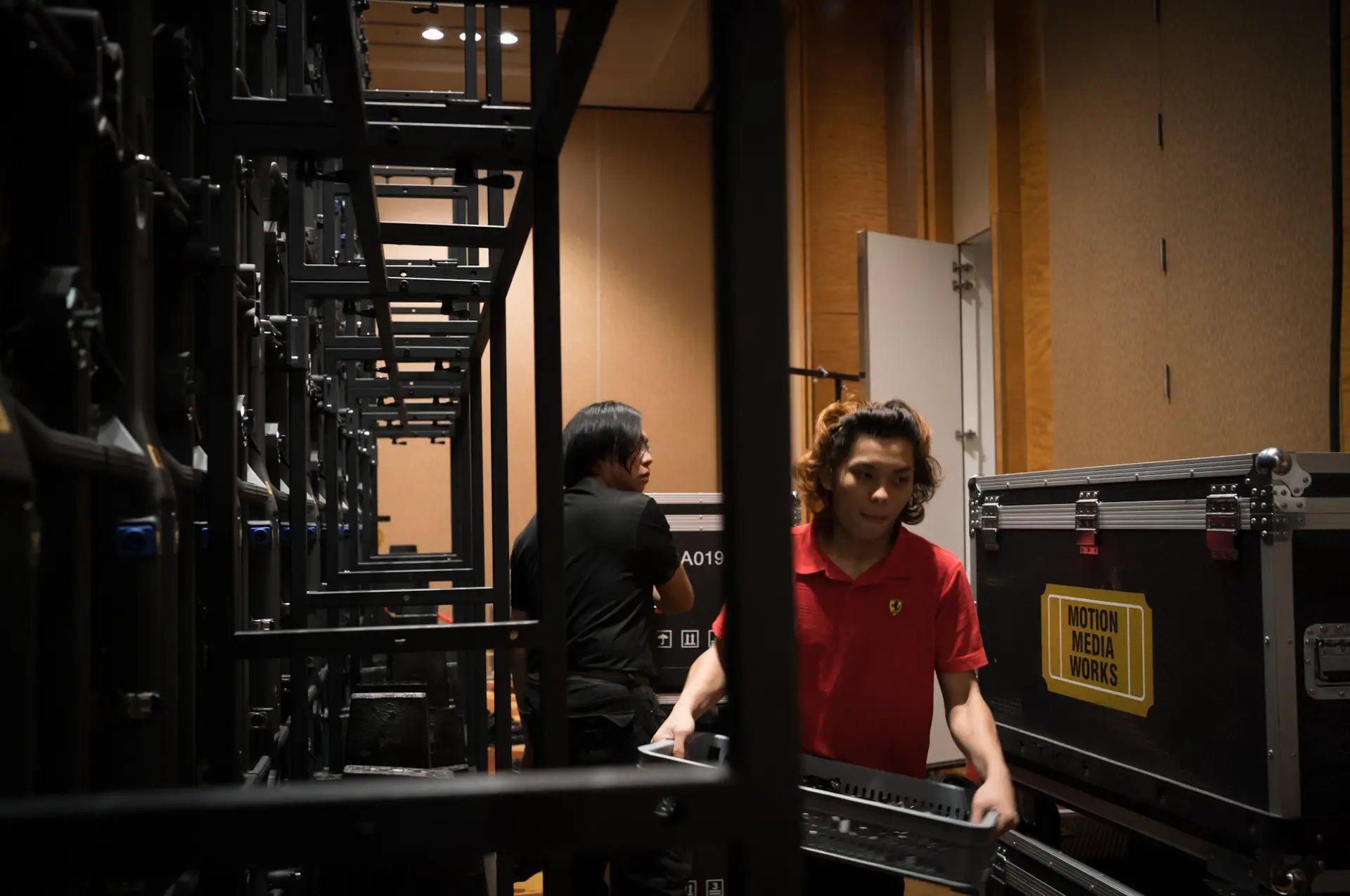
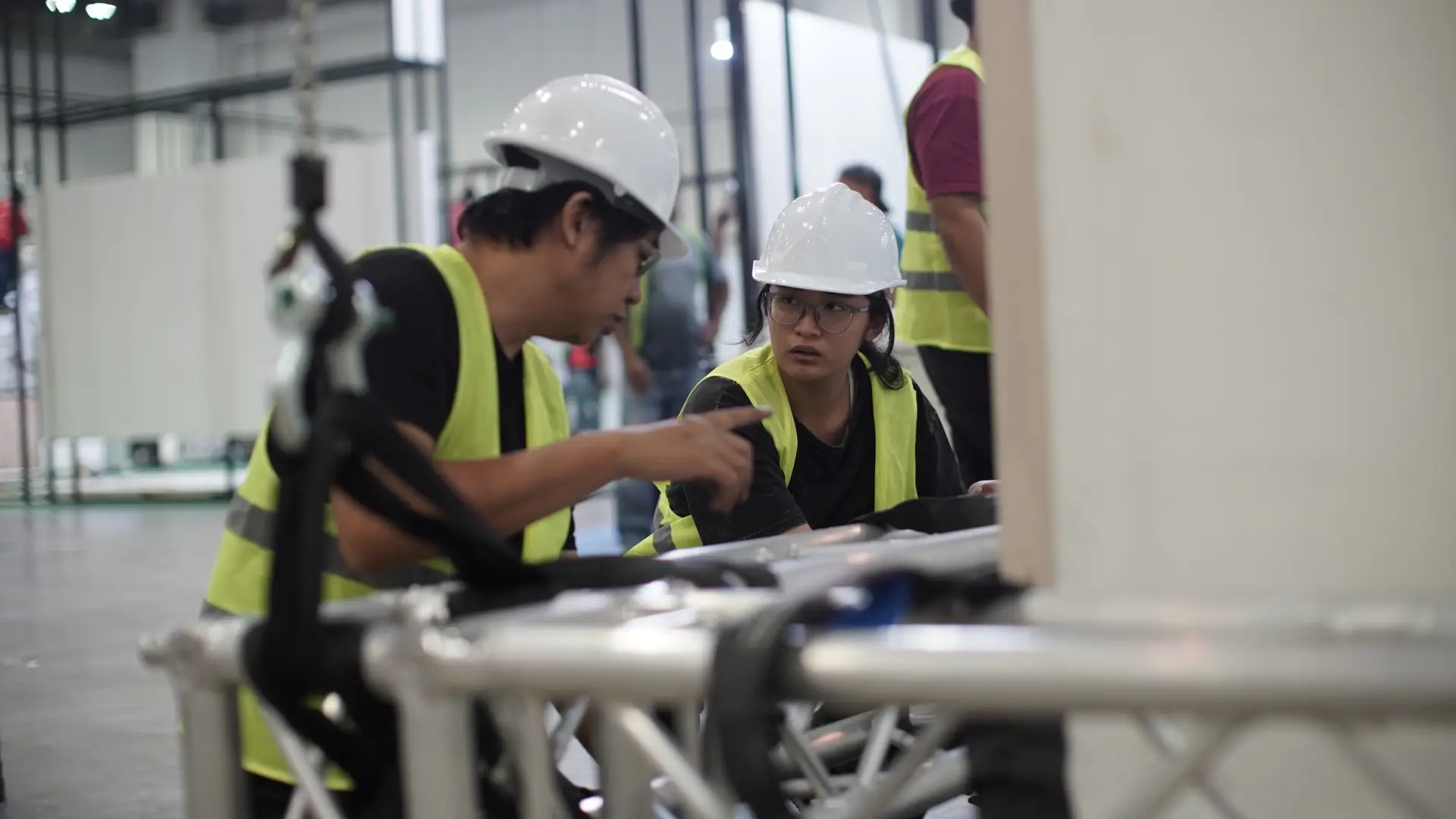
Hours before doors opened, the team was already deep in their rhythm: truss in the air, fixtures being coaxed into alignment, someone calling out positions for the moving head beams, another person quietly adjusting Fresnels to soften the stage.
This is the choreography before the choreography.
Here’s the backbone of the setup:
Global Truss forming the structure
Moving head beams to draw architecture in the air
Moving head wash fixtures to shape the room with colour
Fresnels for faces that don’t look flat or harsh
Pixelhue P20 driving the LED content
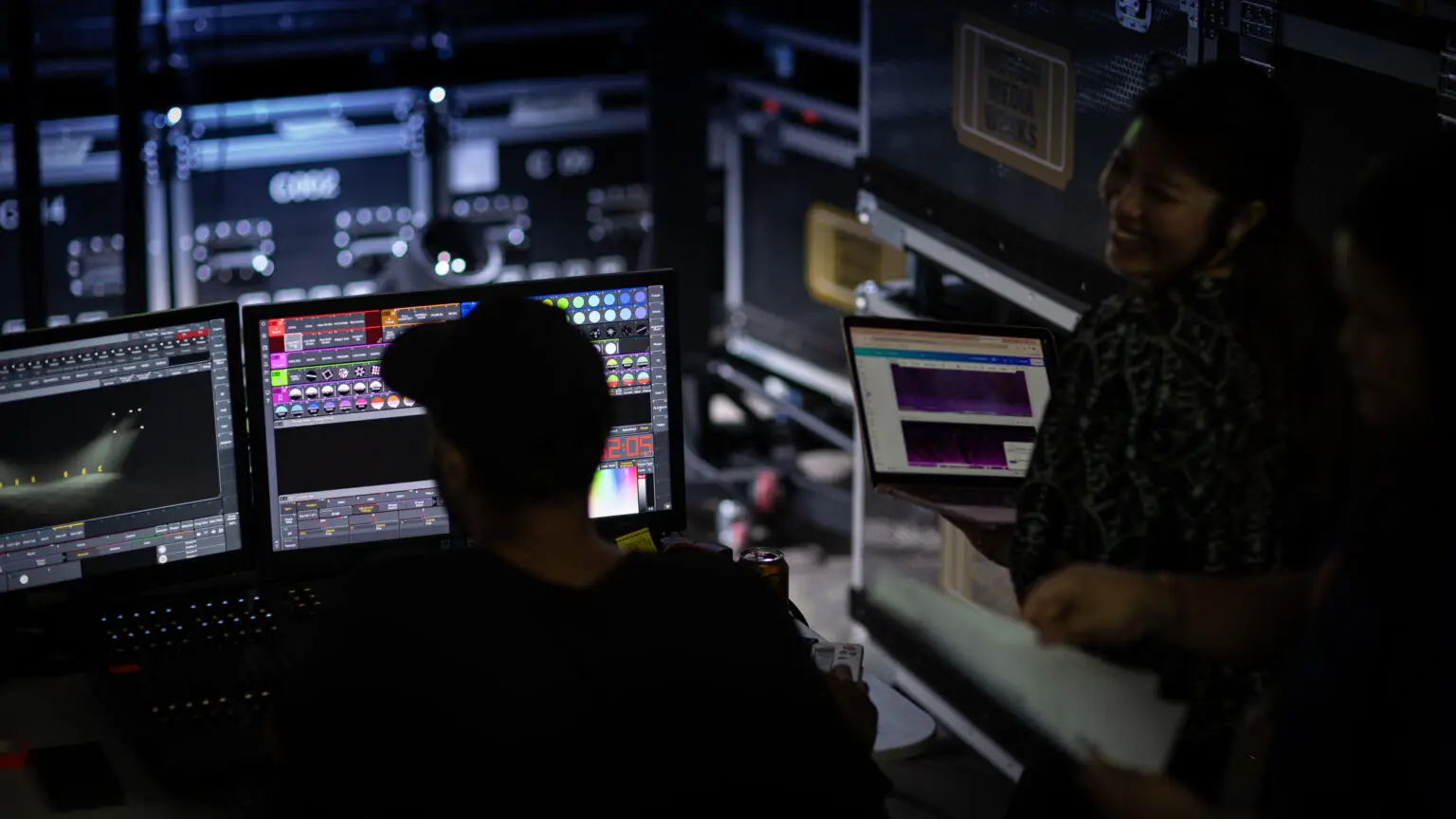
Everything tied together on the grandMA3
None of this happens by accident. Every angle, every cue, every colour — someone is responsible for it, and they take it personally.
Weeks Earlier: The Show Was Already Decided
People often assume lighting design starts the day we roll into the venue.
It doesn’t.
Most of the show was already living inside our lighting lab. We had pre-programmed the whole thing on the grandMA3 — cue stacks, transitions, beam paths, the works.
When you only get one rehearsal day, you show up prepared.
No guesswork. No “we’ll figure it out later.”
Just execution.
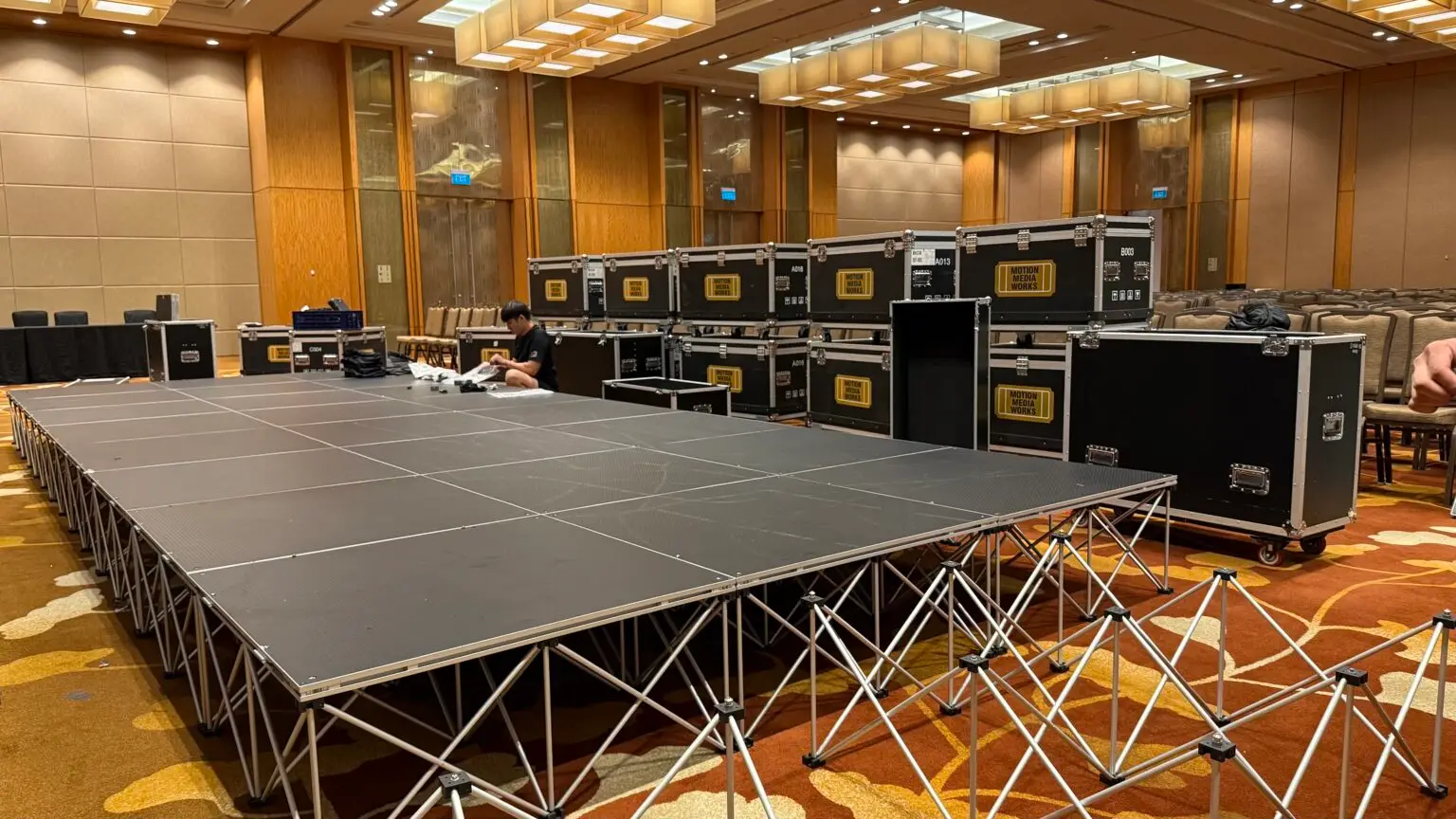
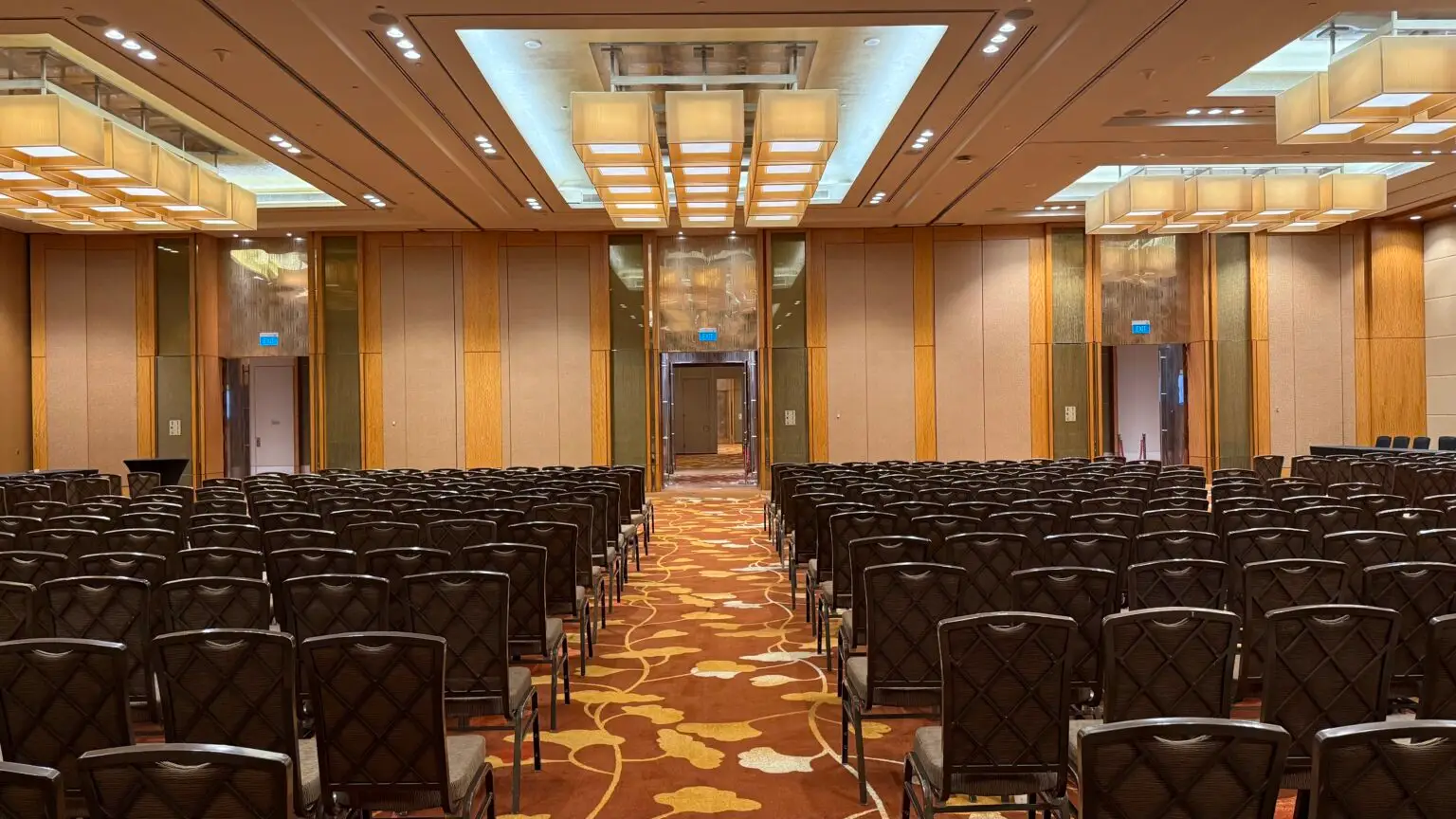
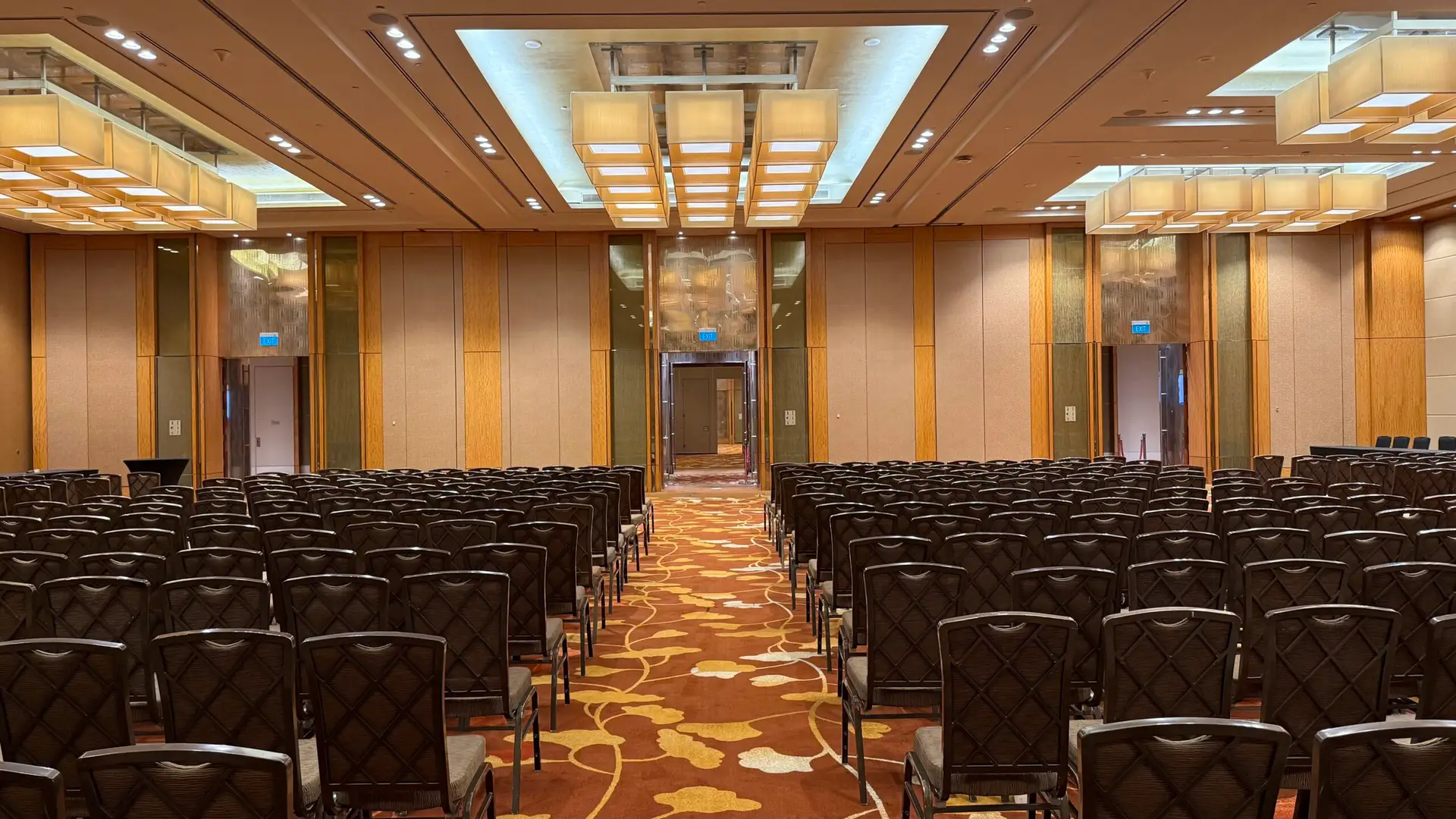
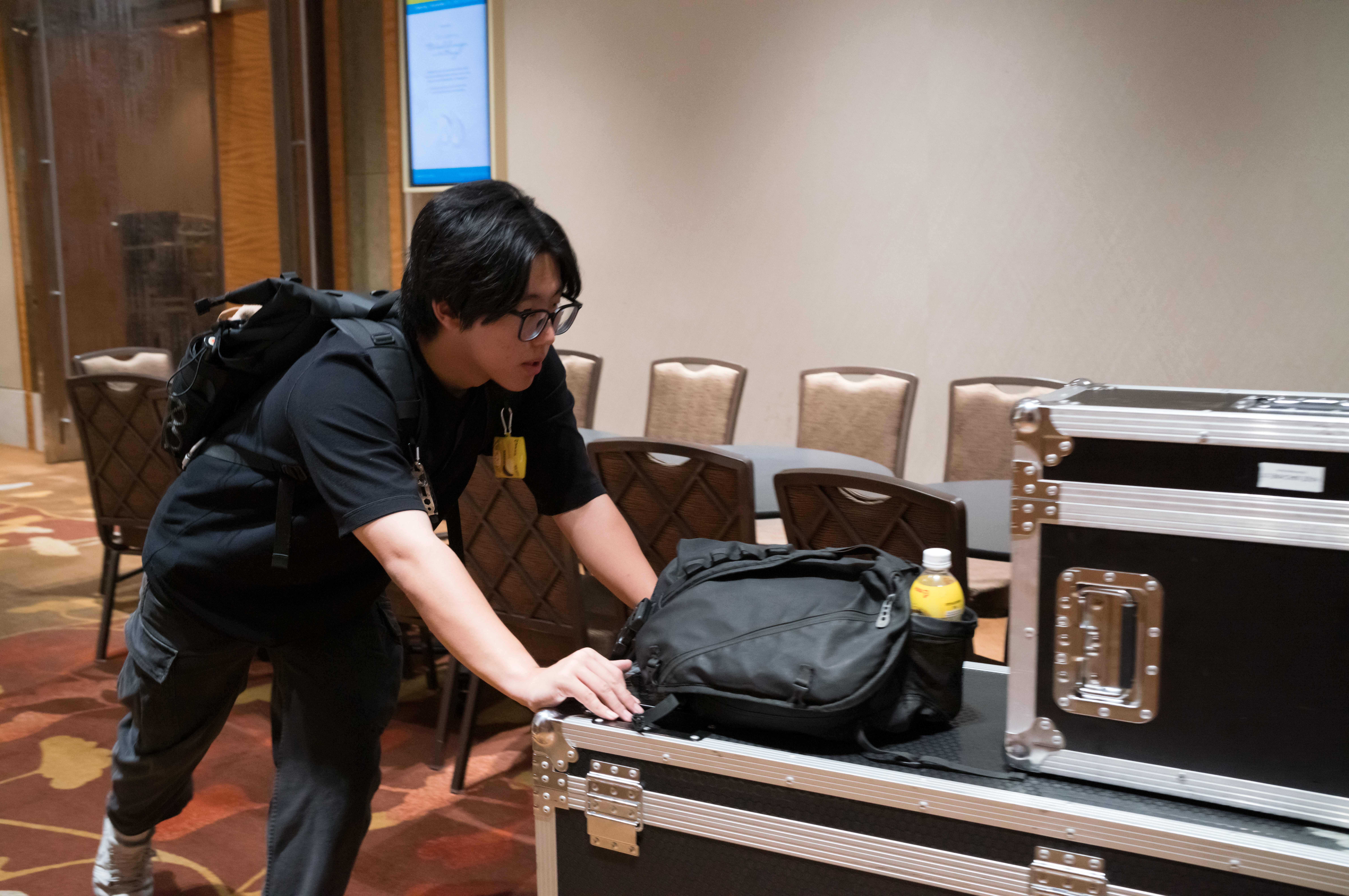
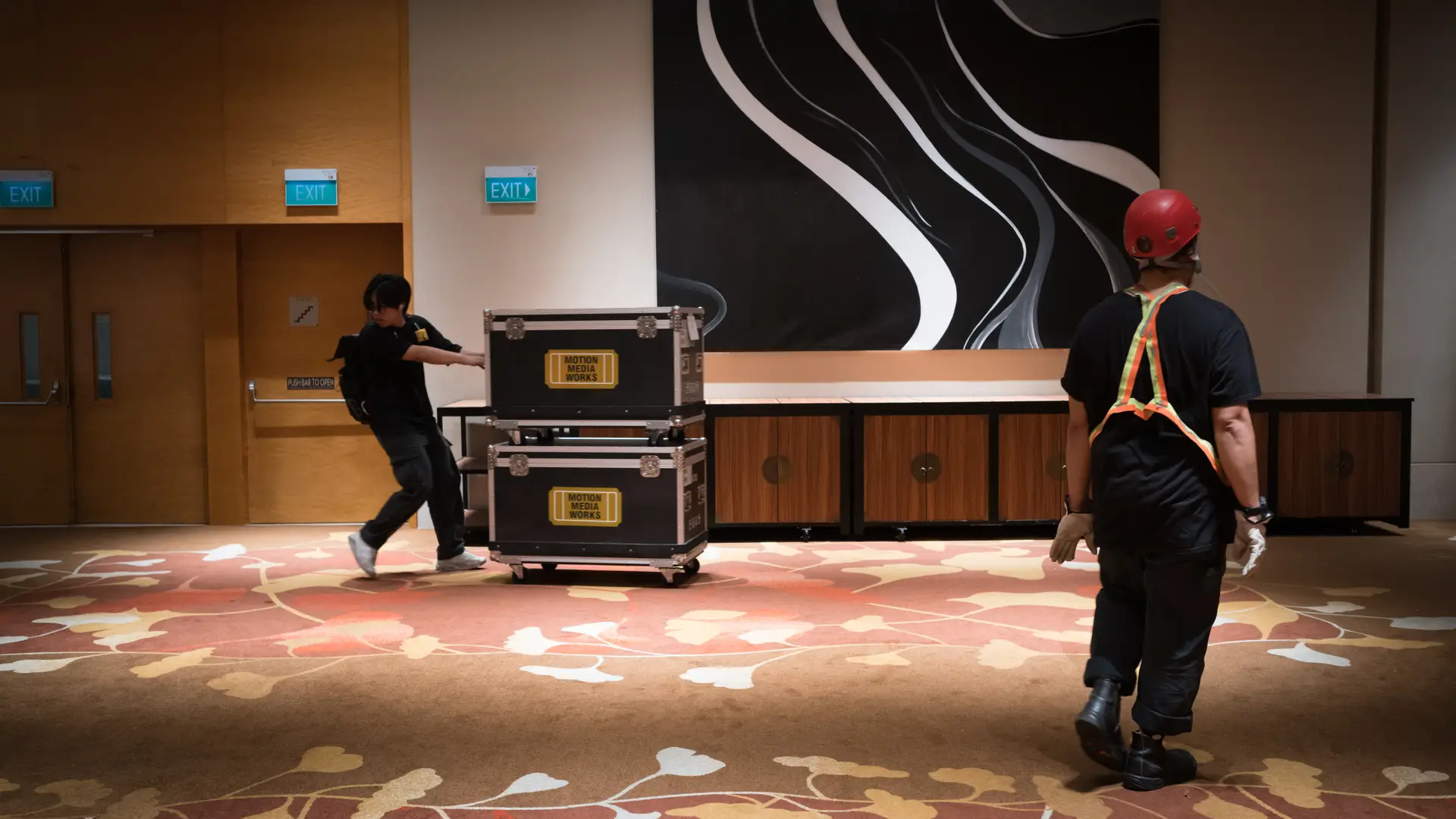
Before All of That… the Ballroom Looked Like This
This is always the fun part — the contrast.
A clean, neutral space.
Functional. Sensible.
Nothing wrong with it, but also nothing that asks you to feel anything.
Rooms like this need a reason to become memorable.
Lighting gives them that reason.
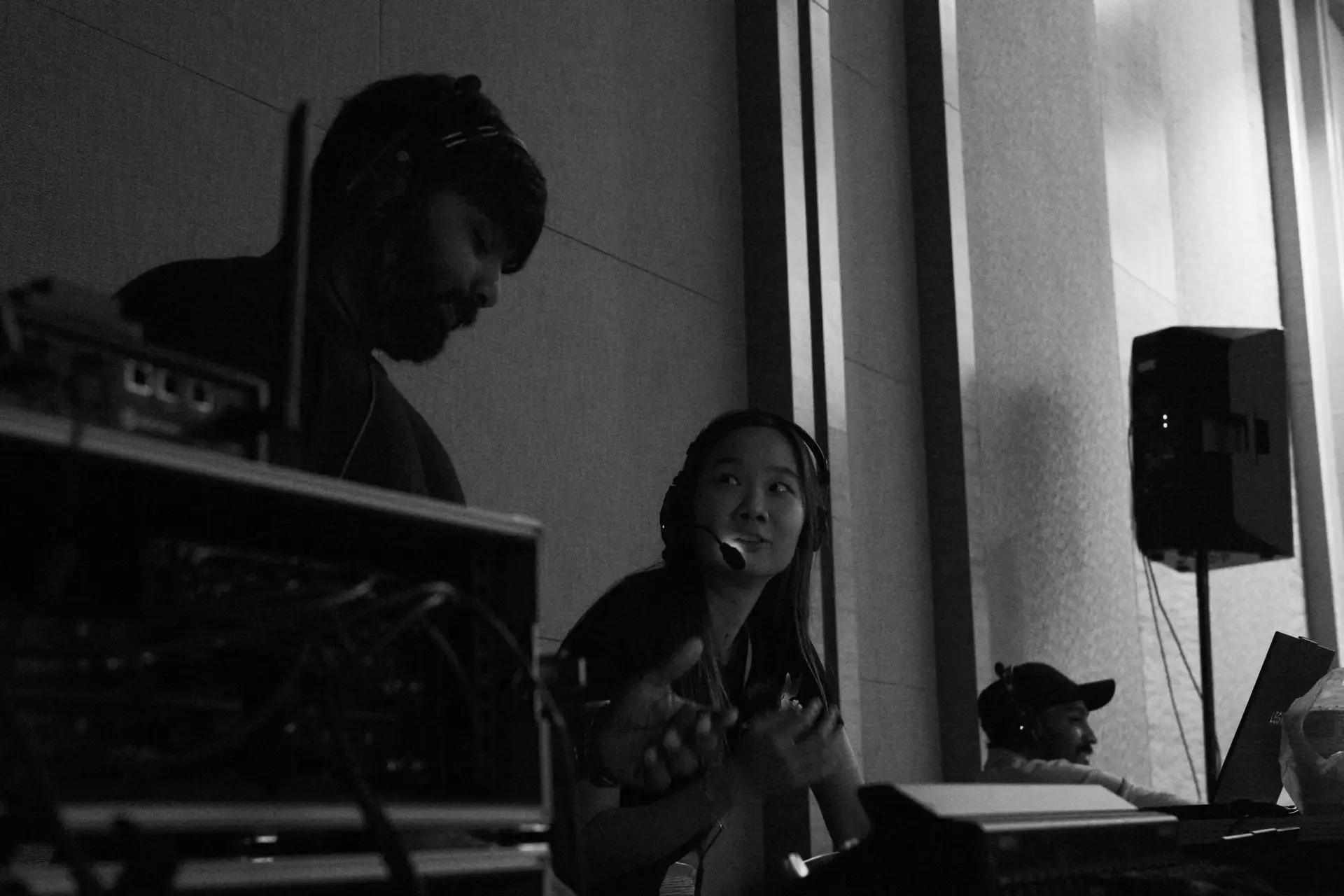
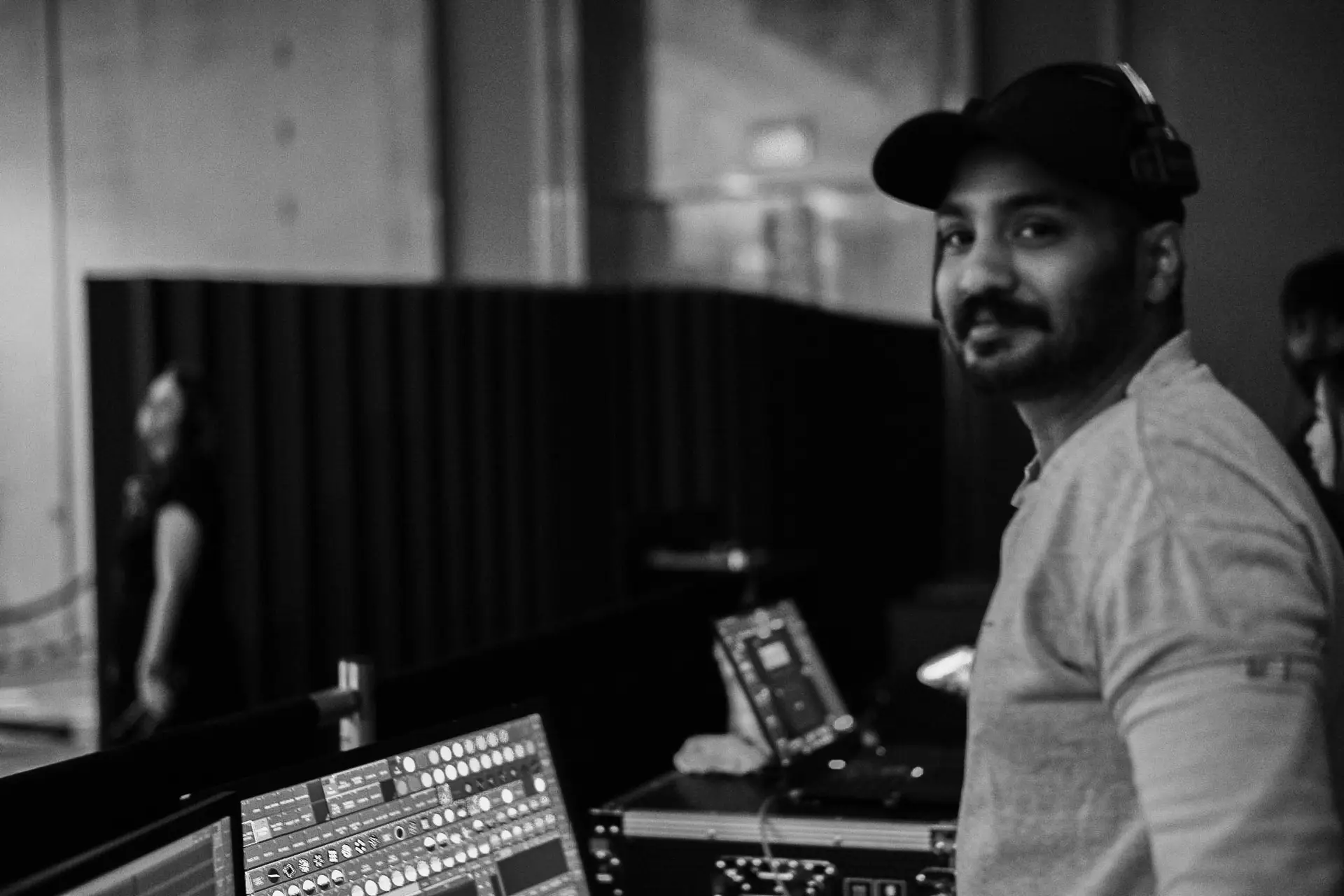
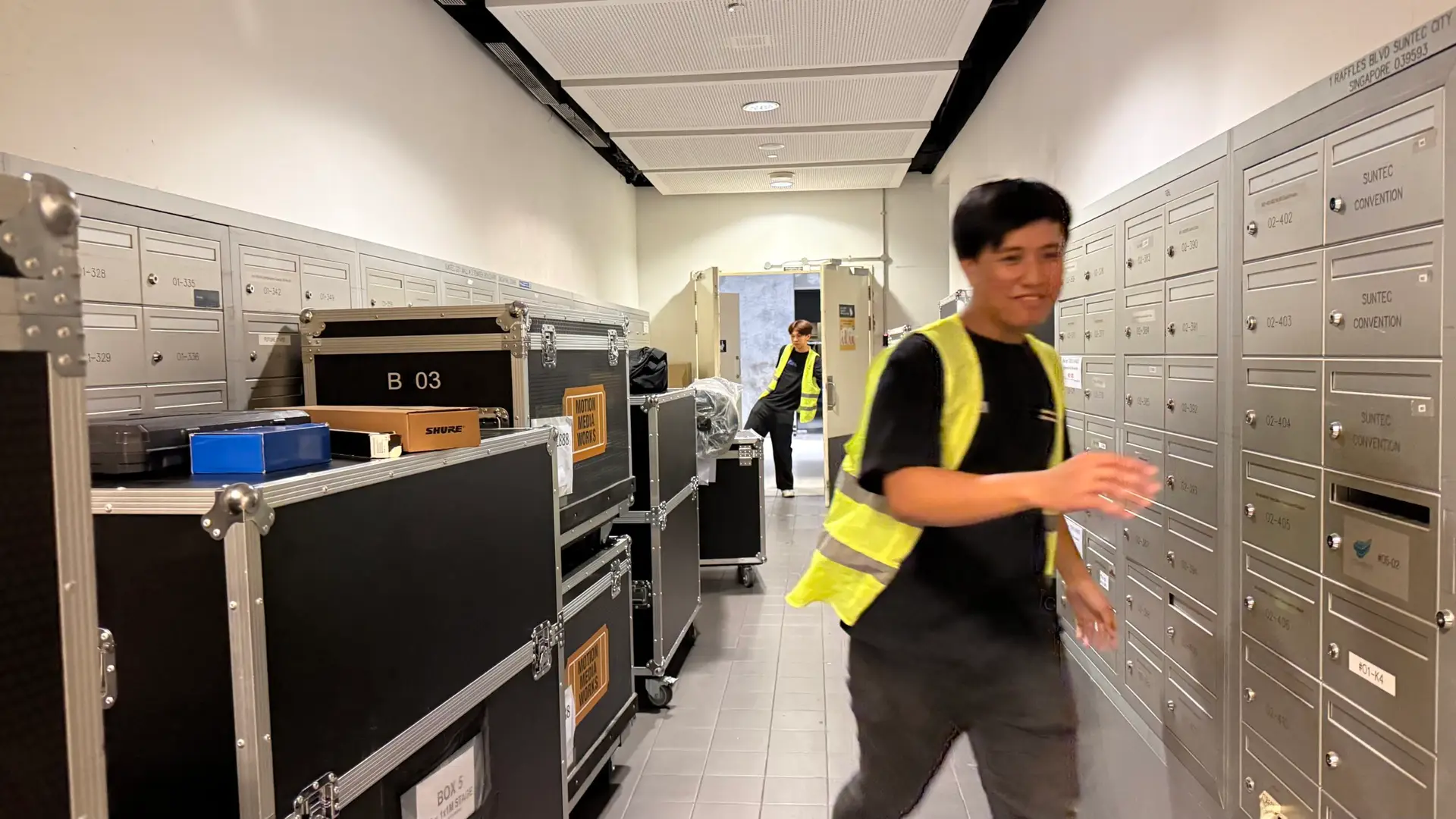
The Crew Who Quietly Make All of This Happen
Shows might carry names, themes, branding, and scripts — but the actual atmosphere?
That comes from people.
Before a single guest entered:
Someone checked the Pixelhue P20 output from every angle
Someone else walked through the haze to see how it settled
A programmer fine-tuned timings on the grandMA3
A tech adjusted a moving head beam by a few millimetres “because it wasn’t sitting right”
Another corrected a Fresnel that was half a degree off
It’s all tiny stuff.
Tiny stuff that adds up to a room people remember.
They don’t ask for applause. They don’t expect credit.
But nothing happens without them.
Why We Do All This
Because a room shouldn’t just be lit — it should be designed.
It should shift the way people feel the moment they walk in.
Light isn’t about brightness.
It’s about atmosphere.
Presence.
Story.
Give us a blank room, and we’ll build the mood from the ground up.
Give us time to prepare properly, and the show will glide.
Give us a good team, and the transformation will feel natural.
The audience sees the final atmosphere.
We see the hundreds of decisions that got it there.
Both are true.
And that’s the fun of it.